
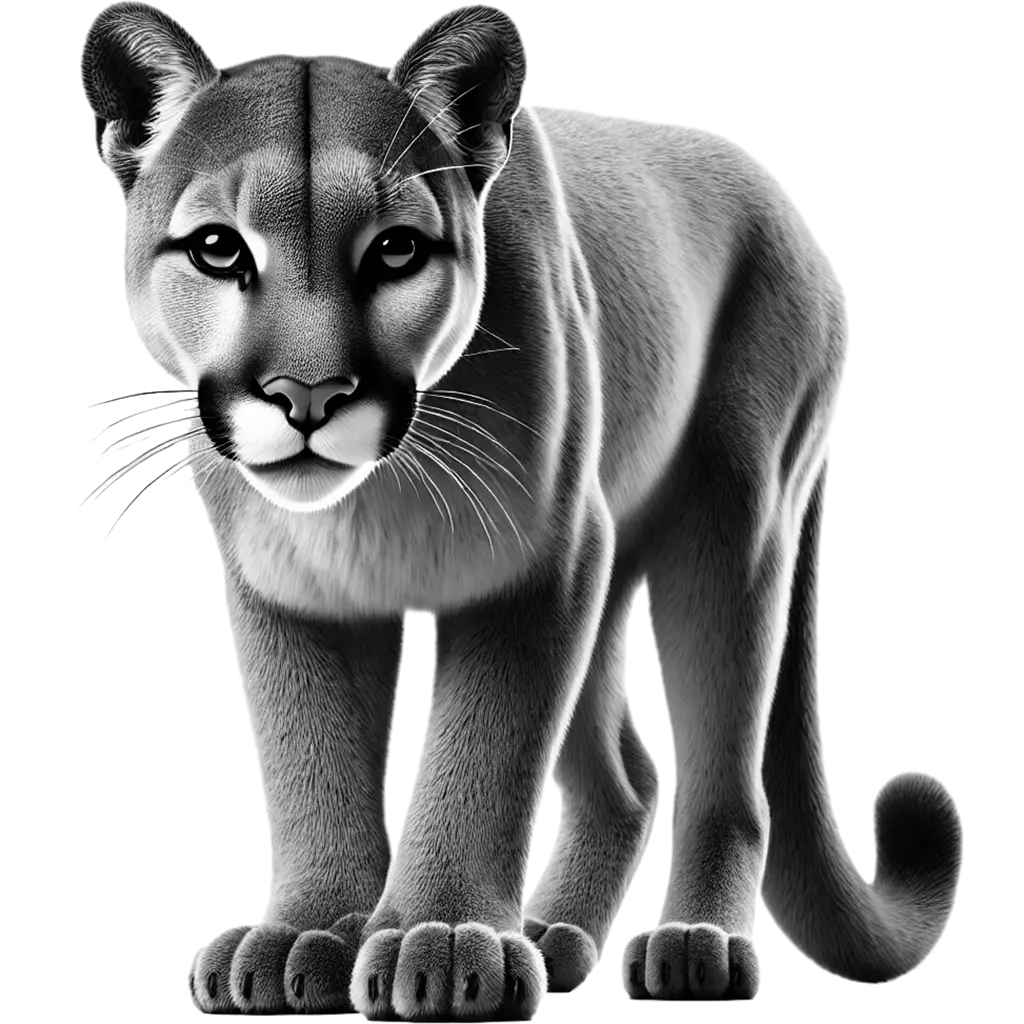
Puma Concolor
Cougar
Forests, mountains, grasslands, deserts
The Cougar, also known as the mountain lion or puma, is a large, solitary feline native to the Americas. It has a sleek, muscular body covered in short, tawny-colored fur, providing excellent camouflage in its environment. With powerful limbs, it can leap up to 5.5 meters in a single bound and reach speeds of 80 km/h in short sprints. Its long tail aids in balance, making it an agile and efficient predator.
| Population: | Stable, but declining in some areas due to habitat loss |
| Generation Length: | 5-8 years |
| Average Weight: | 53-100 kg (males), 29-64 kg (females) |
| Average Length: | 1.5-2.75 meters (including tail) |
| Lifespan: | 8-13 years in the wild, up to 20 years in captivity |
| Diet: | Strictly carnivorous, primarily large ungulates |
| Conservation Status: | Least Concern (LC) |
Cougars are highly territorial and prefer solitary lives, except during mating or when mothers are raising cubs. They are found in a wide variety of habitats, from dense forests and mountains to deserts and grasslands. These cats require large home ranges and often travel long distances to find food and mates. They mark their territories with scratch marks and scent markings to deter rivals.
As ambush predators, Cougars rely on stealth and powerful attacks to take down prey. Their diet consists primarily of large ungulates such as deer and elk, but they also hunt smaller mammals, including hares and rodents. They kill their prey with a precise bite to the neck and often drag it to a secluded location to feed over several days. Opportunistic hunters, they can adapt to various prey depending on availability.
Mating can occur year-round, but most births happen in late winter or early spring. After a gestation period of about 90 days, females give birth to a litter of 1-6 cubs in dens hidden in dense vegetation or caves. Cubs are born with spotted coats, which fade as they mature. They stay with their mother for up to two years, learning essential survival skills before becoming independent.
Despite being classified as Least Concern, Cougar populations are declining in some regions due to habitat loss, hunting, and conflicts with humans. Their wide-ranging nature puts them at risk as development encroaches on their territories. Conservation efforts focus on habitat protection, reducing conflicts with humans, and regulating hunting to maintain stable populations.
Classifications
The Key Attributes
Features
- Movement:
Quadrupedal, excellent climber and jumper
- Territorial Behavior:
Solitary, territorial
- Speed:
Up to 80 km/h in short bursts
- Diet:
Carnivore
- Physical Features:
- Sleek, muscular body
- Short, tawny-colored fur
- Long tail for balance
- Powerful limbs for leaping up to 5.5 meters
- Primary Senses:
- Sight
- Hearing
- Smell
Understanding Habitat and Range
Geography
- Habitat:
Forests, mountains, grasslands, deserts
- Migration Patterns:
Non-migratory but may roam widely for territory
- Geographical Range:
North and South America, from Canada to Argentina
- Climate Preferences:
Highly adaptable, found in various climates
Navigating the Wilderness
In the wild
- Predators:
Few natural predators; occasionally killed by wolves or bears
- Prey:
Deer, elk, wild boar, smaller mammals
- Feeding Behavior:
Ambush predator, stalks and pounces on prey
- Diet:
Strictly carnivorous, primarily large ungulates
- Defensive Mechanisms:
- Camouflaged fur for stealth
- Powerful bite and claws for self-defense
- Fast and agile to escape threats
- Preferred Food Sources:
- White-tailed deer
- Mule deer
- Elk
- Smaller mammals like hares
Insights Into Reproduction
Mating
- Mating System:
Polygynous
- Number of Offspring:
1-6 cubs per litter
- Gestation Period:
82-96 days
- Parental Involvement:
- Females raise cubs alone
- Cubs stay with mother for up to 2 years
Youngsters Section
Cougar
Fun Fact
Cougars have the largest range of any wild terrestrial mammal in the Western Hemisphere.
They are known for their incredible jumping ability, capable of leaping up to 5.5 meters high and 12 meters in length in a single bound.

Download word search puzzles
Word Search Puzzles
Check Out Other Mammals
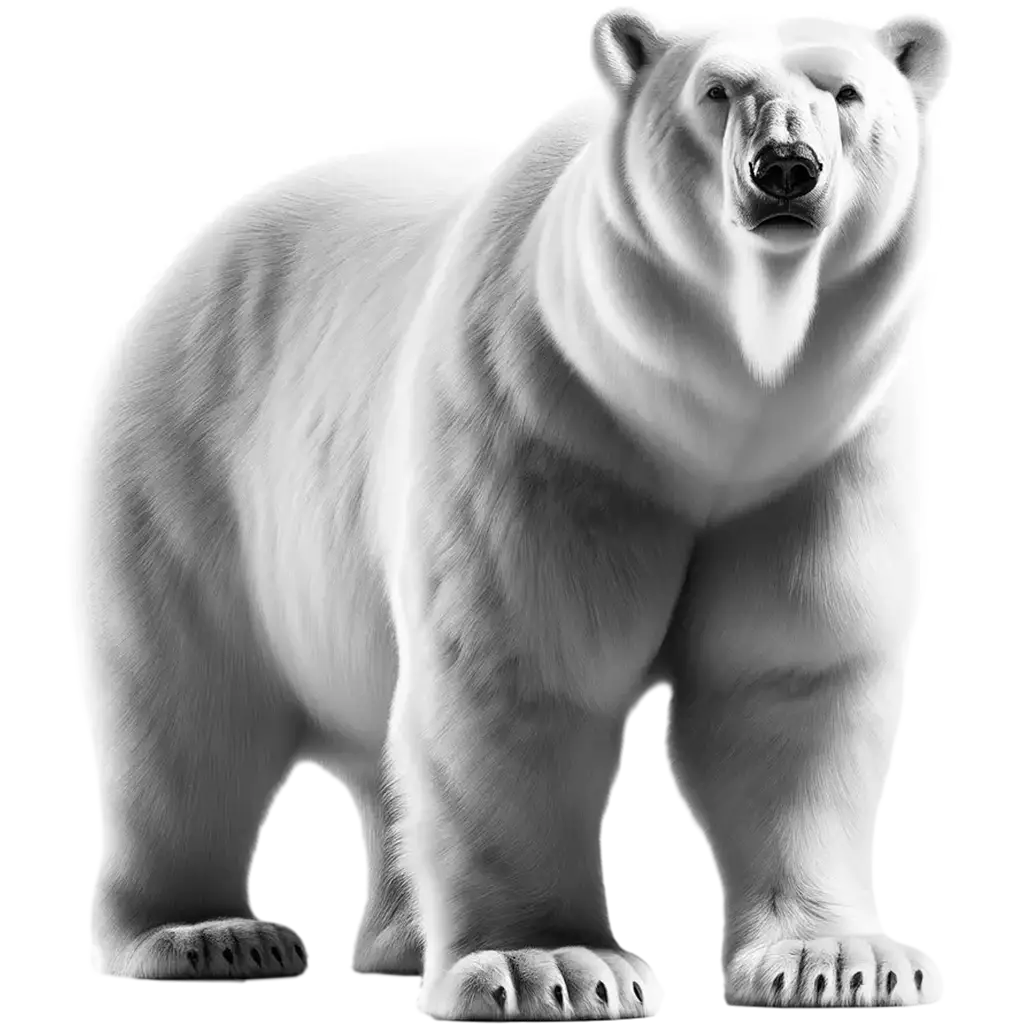
The Polar Bear, ursus maritimus, is the largest land carnivore, symbolizing the Arctic's wild beauty. Characterized by its thick, white fur which provides camouflage in snowy habitats and a layer of fat for insulation, adult males can weigh between 350 to more than 650 kg (770 to over 1,430 lbs),
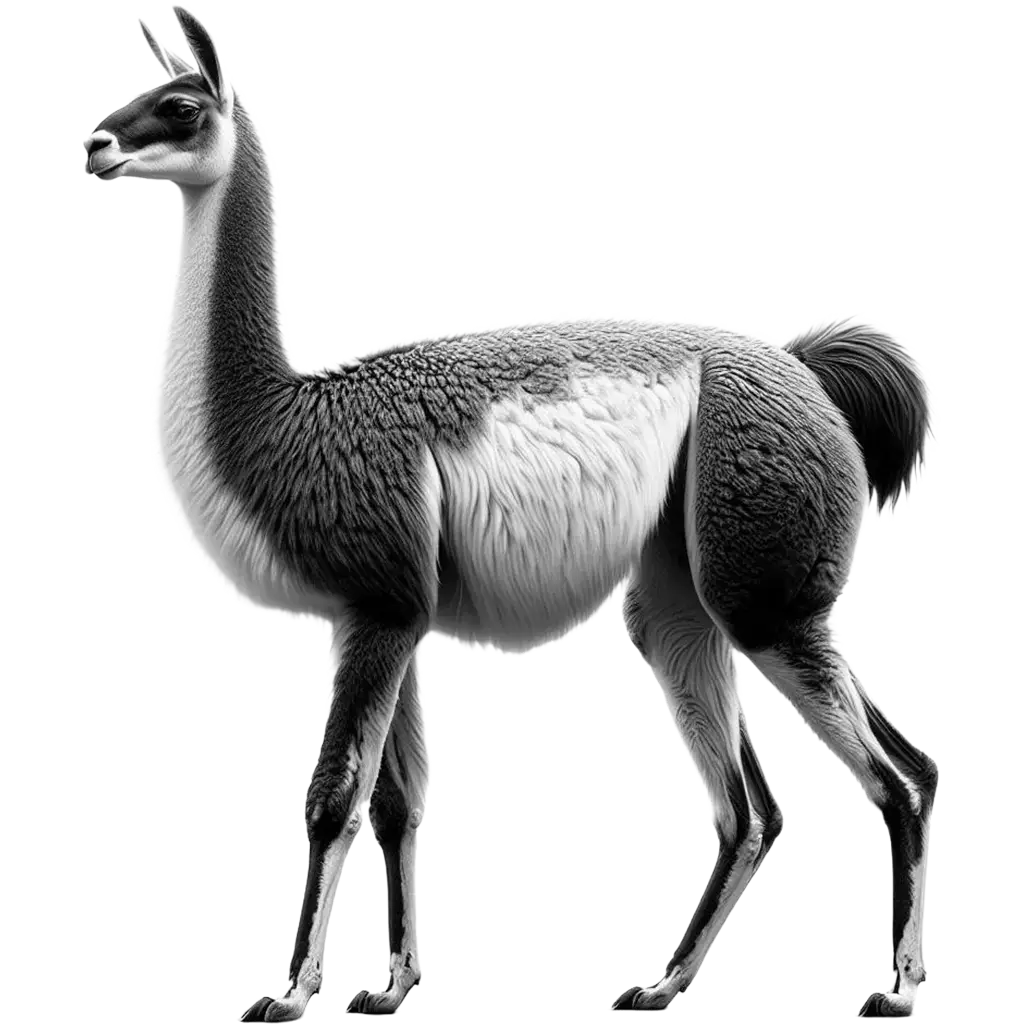
The Guanaco, lama guanicoe, is a camelid native to South America, closely related to the domesticated llama and a wild ancestor to the alpaca. Adult Guanacos stand about 1 to 1.2 meters (3.3 to 3.9 feet) at the shoulder and weigh between 90 to 140 kilograms (200 to 310 pounds).
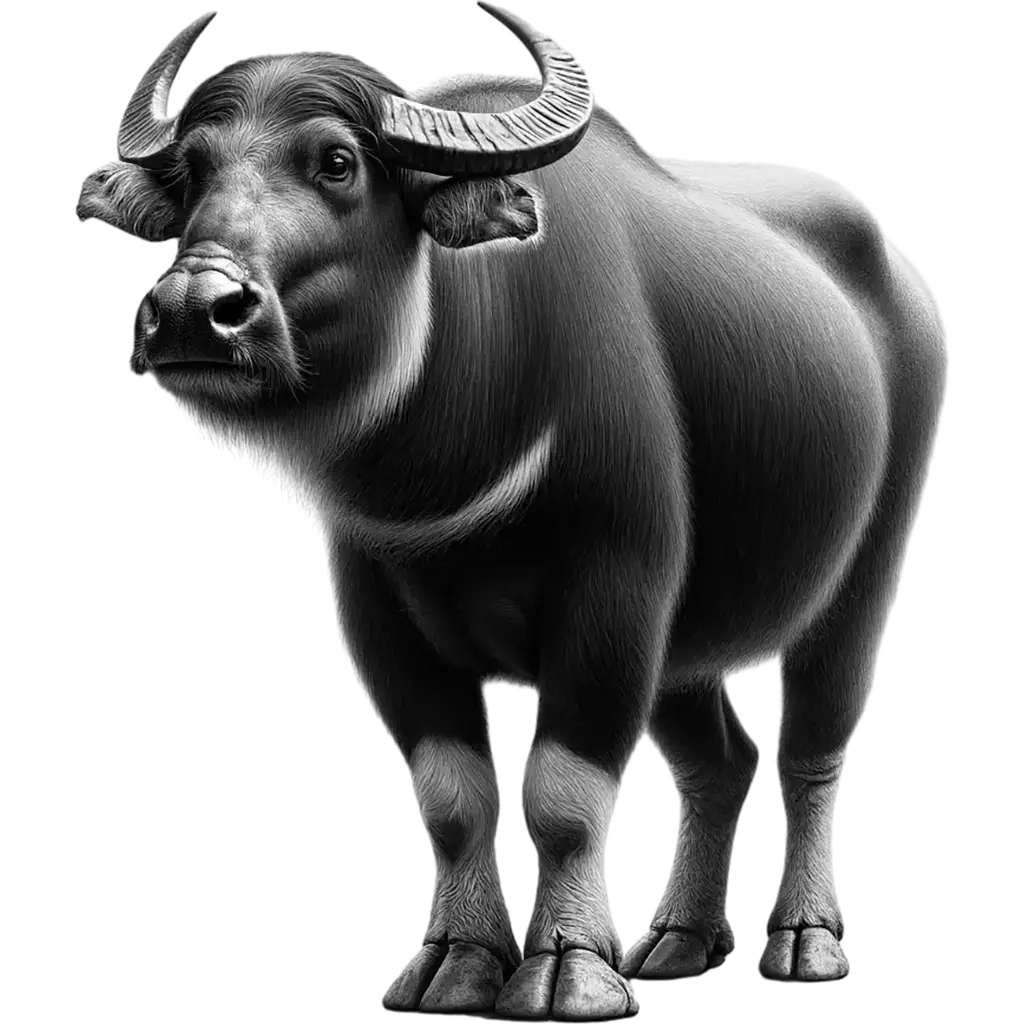
The Tamaraw, bubalus mindorensis, is a small, critically endangered buffalo species indigenous to the island of Mindoro in the Philippines. Adults stand about 1 to 1.2 meters at the shoulder, making them significantly smaller than the closely related water buffalo. They have a stocky build, with short, V-shaped horns that
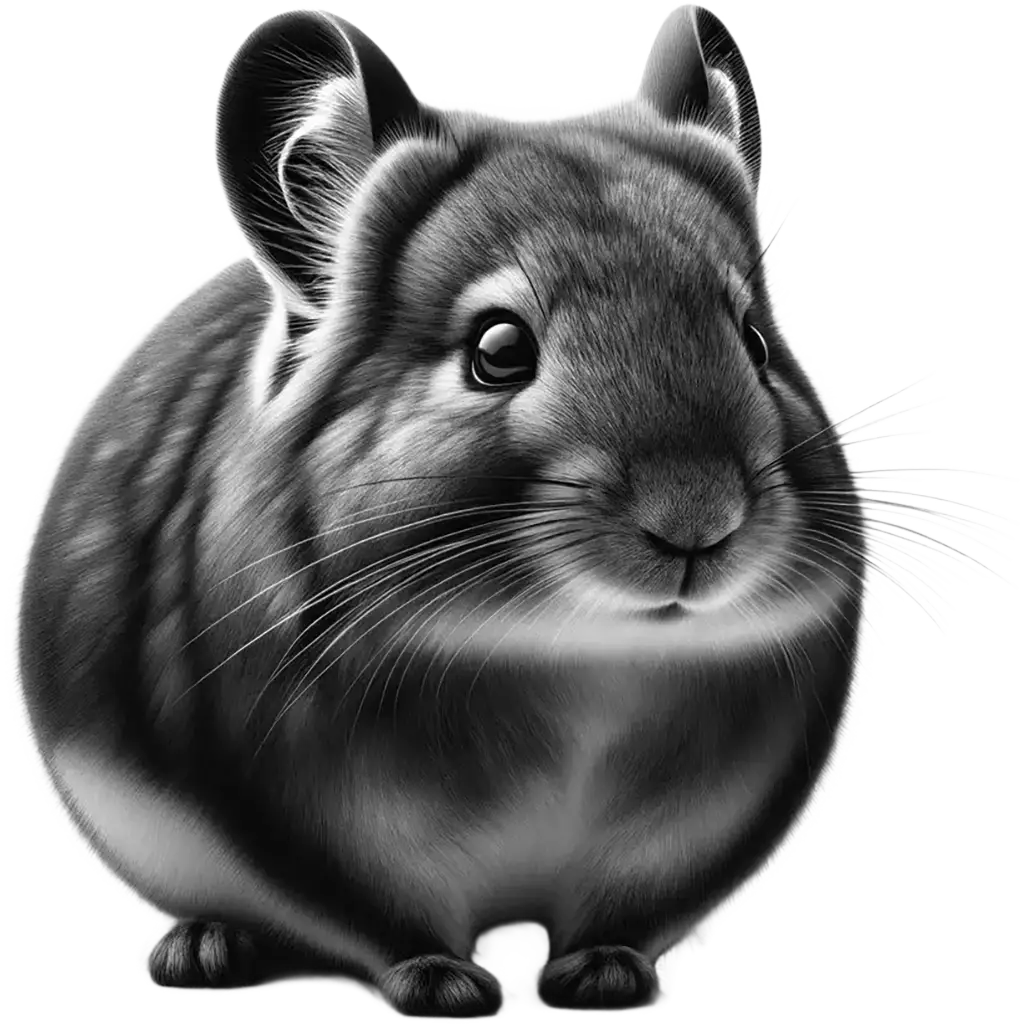
The Daurian Pika, ochotona dauurica, is a small, herbivorous mammal belonging to the pika family, which resides predominantly in the steppe regions of Mongolia, parts of Russia, and northern China. This species is characterized by its compact body, rounded ears, and absence of a visible tail, typical of pikas. Adult