
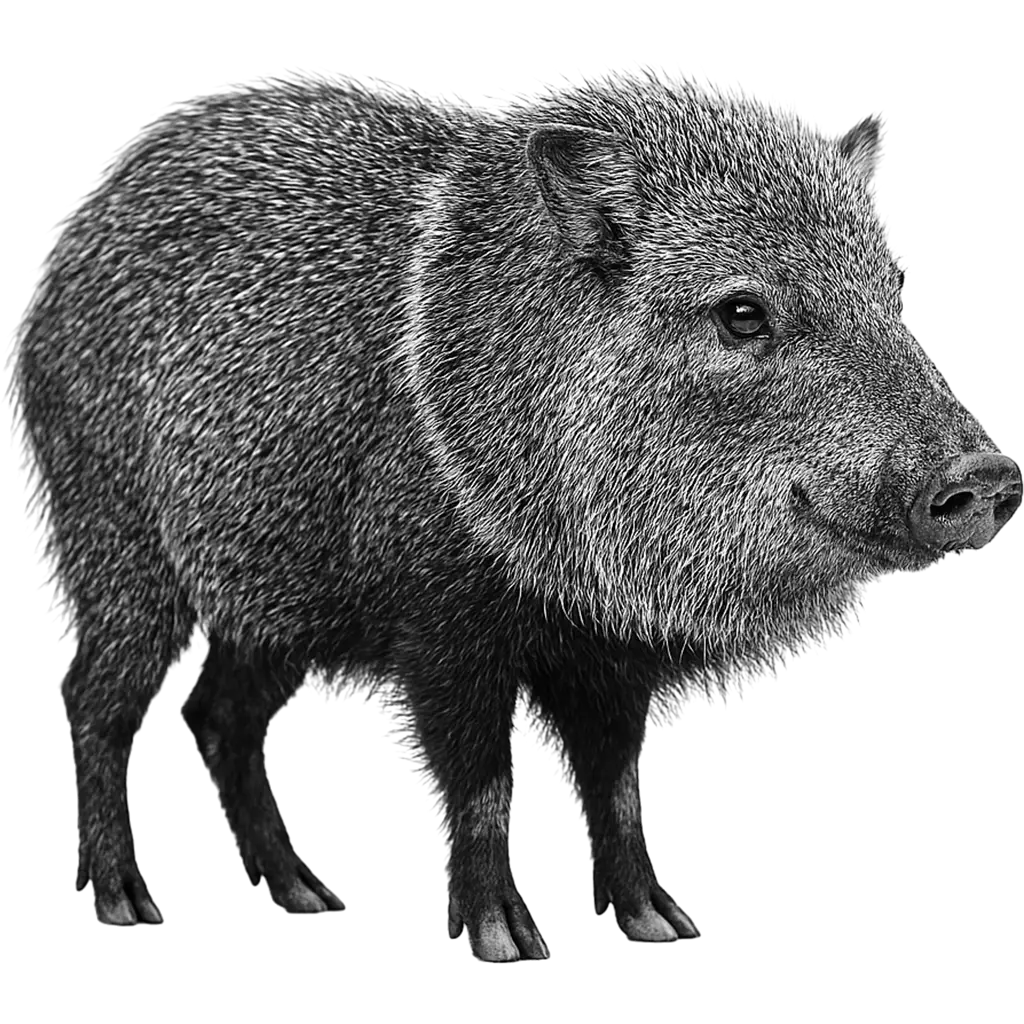
Catagonus Wagneri
Chacoan Peccary
Dry forests and scrublands of the Gran Chaco
The Chacoan Peccary displays a stout, muscular frame covered in coarse, dark brown fur that appears rugged and resilient. It has a compact body with short legs, a distinctive, slightly protruding snout, and subtle, small tusks that add character to its face. Its alert eyes and heavily built head convey determination and strength. Overall, this dignified creature exhibits remarkable resilience and enduring strength.
| Population: | Limited to fragmented forests in the Gran Chaco; numbers are small but stable |
| Generation Length: | 3-4 years |
| Average Weight: | 25-35 kg |
| Average Length: | 70-90 cm |
| Lifespan: | 8-10 years in the wild, up to 12 years in captivity |
| Diet: | Feeds primarily on tough, fibrous vegetation, fruits, and roots |
| Conservation Status: | Vulnerable (VU) |
The Chacoan Peccary is highly social and lives in small, tight-knit herds that depend on collective vigilance for survival in the arid, challenging landscapes of the Gran Chaco. Active during the cooler parts of the day, these animals demonstrate cautious exploration while foraging and moving between shelter and water sources. Their lifestyle is marked by coordinated group behavior, enabling them to navigate fragmented habitats and evade predators. They display intelligent, adaptive strategies that highlight both communal bonds and individual alertness in their daily routines.
The diet of the Chacoan Peccary is primarily herbivorous, centering on tough, fibrous vegetation, seasonal fruits, and nutrient-rich roots that are abundant in their dry habitat. They spend hours foraging to meet their high energy demands, with their digestive system efficiently breaking down even low-quality forage. Occasionally, they may ingest small amounts of insects for protein, though plants remain the core of their nutrition. This feeding habit not only sustains the peccaries but also aids in seed dispersal, contributing to the regeneration of their native ecosystem.
During the mating season, Chacoan Peccaries engage in distinctive social behaviors marked by competitive displays among males and careful selection by females. The males demonstrate physical prowess and coordinated movements within the group, while females typically choose partners based on strength and social rank. These mating rituals are brief yet intense, ensuring genetic diversity within the herd. These displays are accompanied by subtle vocalizations and gentle physical contacts, further solidifying pair bonds.
The current population of the Chacoan Peccary is confined to fragmented patches in the Gran Chaco, with numbers remaining relatively low but showing signs of localized stability. Despite historical declines due to hunting and habitat destruction, recent conservation efforts have helped stabilize their numbers. Ongoing monitoring suggests that while they are not widespread, their populations have endured due to adaptive behaviors and resilient social structures.
Classifications
The Key Attributes
Features
- Movement:
Quadrupedal
- Territorial Behavior:
Lives in small social groups, exhibiting group defense
- Speed:
Moderate
- Diet:
Herbivorous, with occasional foraging for roots and fruits
- Physical Features:
- Coarse, dark fur
- Stocky build
- Small tusks
- Compact snout
- Primary Senses:
- Smell
- Hearing
- Sight
Understanding Habitat and Range
Geography
- Habitat:
Dry forests and scrublands of the Gran Chaco
- Migration Patterns:
Non-migratory; local movements only
- Geographical Range:
Southwestern Bolivia, Paraguay, and Argentina
- Climate Preferences:
Prefers arid, seasonal climates
Navigating the Wilderness
In the wild
- Predators:
Large felids, raptors, and canids
- Prey:
N/A
- Feeding Behavior:
Forages on the ground during daytime
- Diet:
Feeds primarily on tough, fibrous vegetation, fruits, and roots
- Defensive Mechanisms:
- Group vigilance
- Sharp tusks for defense
- Preferred Food Sources:
- Fibrous plants
- Seasonal fruits
- Root vegetables
Insights Into Reproduction
Mating
- Mating System:
Social, with group bonding
- Number of Offspring:
1-3 per birth
- Gestation Period:
150 days
- Parental Involvement:
- Mother nurses and protects young
Youngsters Section
Chacoan Peccary
Fun Fact
Chacoan Peccaries are noted for their strong social bonds and tough resilience.
They play a key role in seed dispersal and ecosystem balance, with their group dynamics offering protection in harsh, fragmented habitats.

Download word search puzzles
Word Search Puzzles


Check Out Other Mammals

The Noriker, norico-pinzgauer, is a breed of draft horse that originated in the mountainous regions of Austria and northern Italy. Known for their large, muscular build and calm, cooperative temperament, Norikers are typically 15 to 16 hands high (60 to 64 inches at the shoulder) and weigh between 500 to
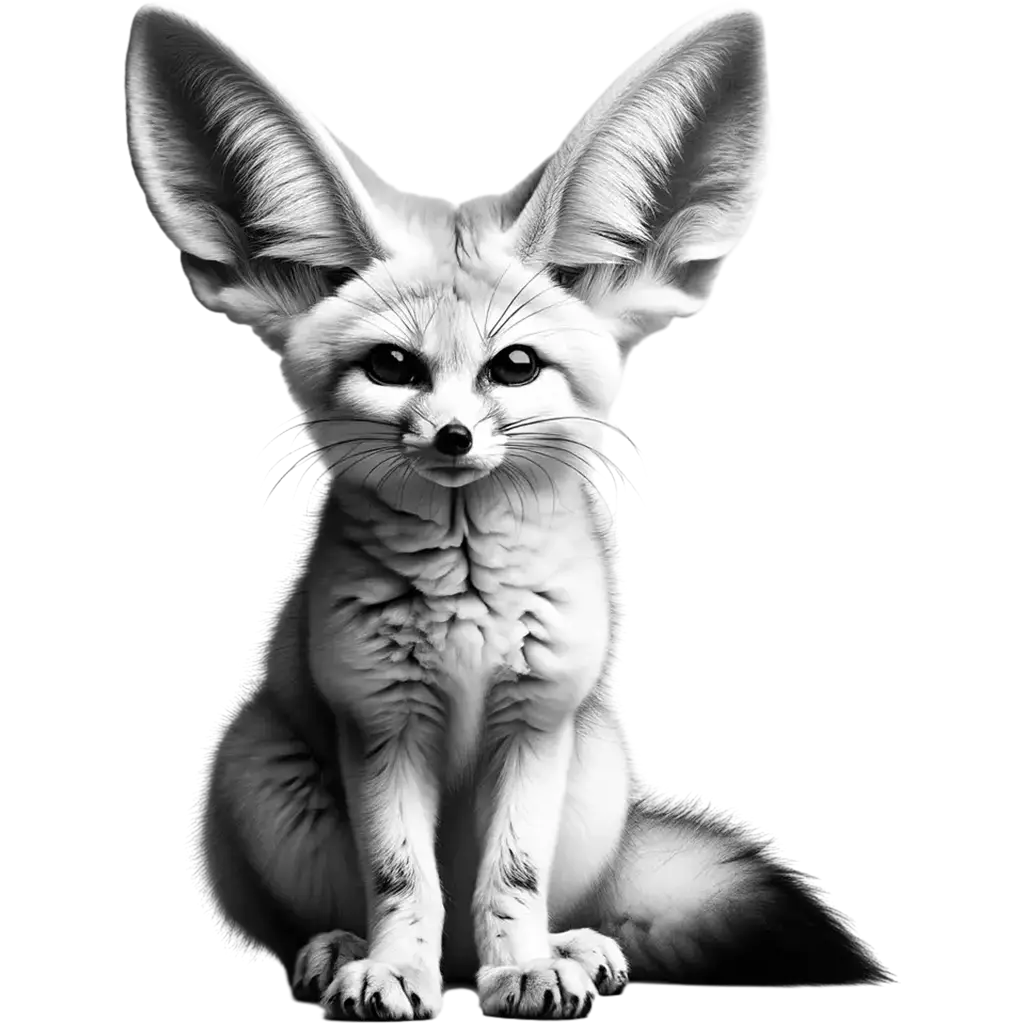
The Fennec Fox, vulpes zerda, is the smallest species of canid, renowned for its distinctive large ears and diminutive size. Adults typically weigh between 0.9 to 1.5 kg and measure about 24 to 41 cm in length, with an additional 20 cm for the tail. Their most striking feature, the

The Azawakh, a sighthound breed originating from the West African countries of Mali, Niger, and Burkina Faso, is distinguished by its elegant and slender build. Adult Azawakhs typically stand between 60 to 74 cm tall at the shoulder, weighing around 15 to 25 kg. Their physique is characterized by a

The Irrawaddy Dolphin has a sturdy, compact body measuring between 2.3 and 2.75 meters in length and weighing 90 to 200 kilograms. Its smooth skin ranges from slate gray to bluish-gray, becoming lighter on the underside. The species features a high, rounded melon with no distinct beak, and a small,