
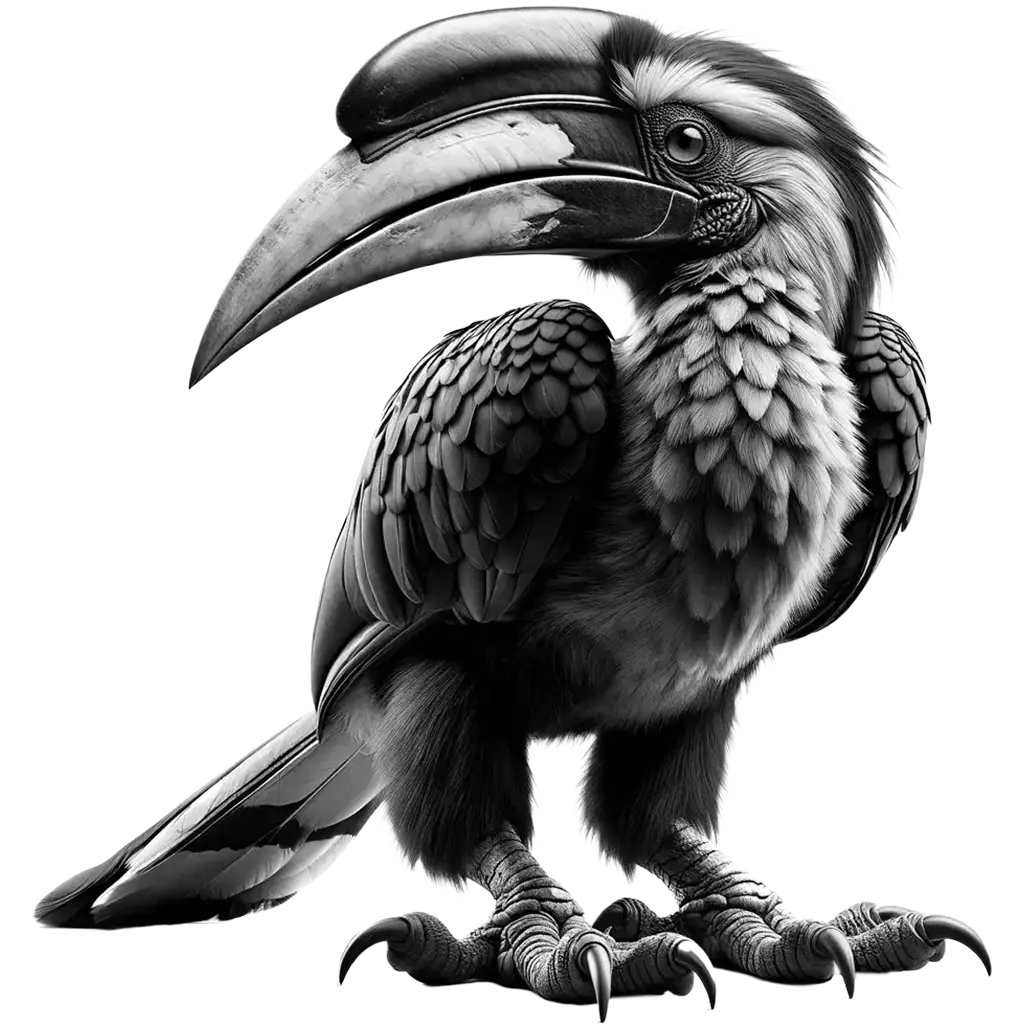
Rhyticeros Plicatus
Blyth's Hornbill
Tropical forests, including lowland rainforests and mountain forests
Blyth's Hornbill, rhyticeros plicatus, also known as the papuan hornbill, is a large and distinctive bird native to the forests of New Guinea, the Bismarck Archipelago, and the Solomon Islands. This species is notable for its impressive size, with males reaching up to 91 cm in length and featuring a large, curved bill adorned with a bright yellow and black casque. The plumage is predominantly black with a white belly, tail, and thighs, and their striking blue eyes are surrounded by a patch of bare, blue skin. Females are slightly smaller and less colorful, with a black bill and casque.
| Population: | Listed as Vulnerable due to habitat loss and hunting |
| Generation Length: | 5-7 years |
| Average Weight: | 2-3 kg |
| Average Length: | 70-100 cm, including the tail |
| Lifespan: | Up to 35-40 years in the wild |
| Diet: | Primarily frugivorous but also consumes animal matter |
| Conservation Status: | Least Concern (LC) |
Blyth's Hornbill inhabits primary and secondary rainforests, often seen in the canopy where it is well adapted to a life of flying between trees, thanks to its powerful wings. Despite its large size, it is an adept flyer, capable of covering considerable distances in search of food. This species plays a crucial role in its ecosystem as a seed disperser, consuming a wide variety of fruits and helping to maintain forest diversity.
The diet of Blyth's Hornbill consists mainly of fruits, particularly figs, supplemented by insects, small animals, and bird eggs. This varied diet allows it to thrive in the rich biodiversity of the rainforest canopy. During the breeding season, males provide food for the females and their young, who are sealed in a tree cavity with mud and feces, leaving only a small slit through which the male delivers food.
Reproduction in Blyth's Hornbill involves a unique nesting behavior where the female is enclosed in a tree cavity for the duration of egg laying, incubation, and early chick rearing. This strategy protects the eggs and young chicks from predators. Typically, the female lays up to two eggs, which are incubated for about 40 days.
The population of Blyth's Hornbill is currently classified as Vulnerable due to habitat loss, hunting for feathers and meat, and the pet trade. Conservation efforts are focused on habitat protection, sustainable forestry practices, and local education programs to reduce hunting pressures. The survival of Blyth's Hornbill is essential for the health of the rainforest ecosystems it inhabits, underscoring the importance of conservation initiatives in these regions.
Classifications
The Key Attributes
Features
- Movement:
Flying
- Territorial Behavior:
Somewhat territorial, especially during breeding season
- Speed:
Capable of long-distance flight but speed is not well documented
- Diet:
Omnivore
- Physical Features:
- Large size with a massive bill and casque
- Mostly black plumage with a white or pale tail
- Sexual dimorphism with males having larger casques
- Strong and curved bill used for foraging and processing food
- Primary Senses:
- Sight
- Hearing
- Smell
Understanding Habitat and Range
Geography
- Habitat:
Tropical forests, including lowland rainforests and mountain forests
- Migration Patterns:
Non-migratory, but may move locally in search of food
- Geographical Range:
New Guinea, Solomon Islands, and surrounding areas
- Climate Preferences:
Prefers humid tropical climates
Navigating the Wilderness
In the wild
- Predators:
Eagles, pythons, and humans
- Prey:
Figs, fruits, insects, small vertebrates
- Feeding Behavior:
Feeds on fruits, especially figs, and small animals including insects, small birds, and mammals
- Diet:
Primarily frugivorous but also consumes animal matter
- Defensive Mechanisms:
- Flying to dense canopy to escape predators
- Using its large bill and size as a deterrent
- Preferred Food Sources:
- Fruit-bearing trees and areas with abundant animal prey
Insights Into Reproduction
Mating
- Mating System:
Monogamous
- Number of Offspring:
1-2 eggs
- Incubation Period:
About 40 days
- Parental Involvement:
- Both parents involved in feeding and caring for the young, though females remain in the nest with the young while males forage
Youngsters Section
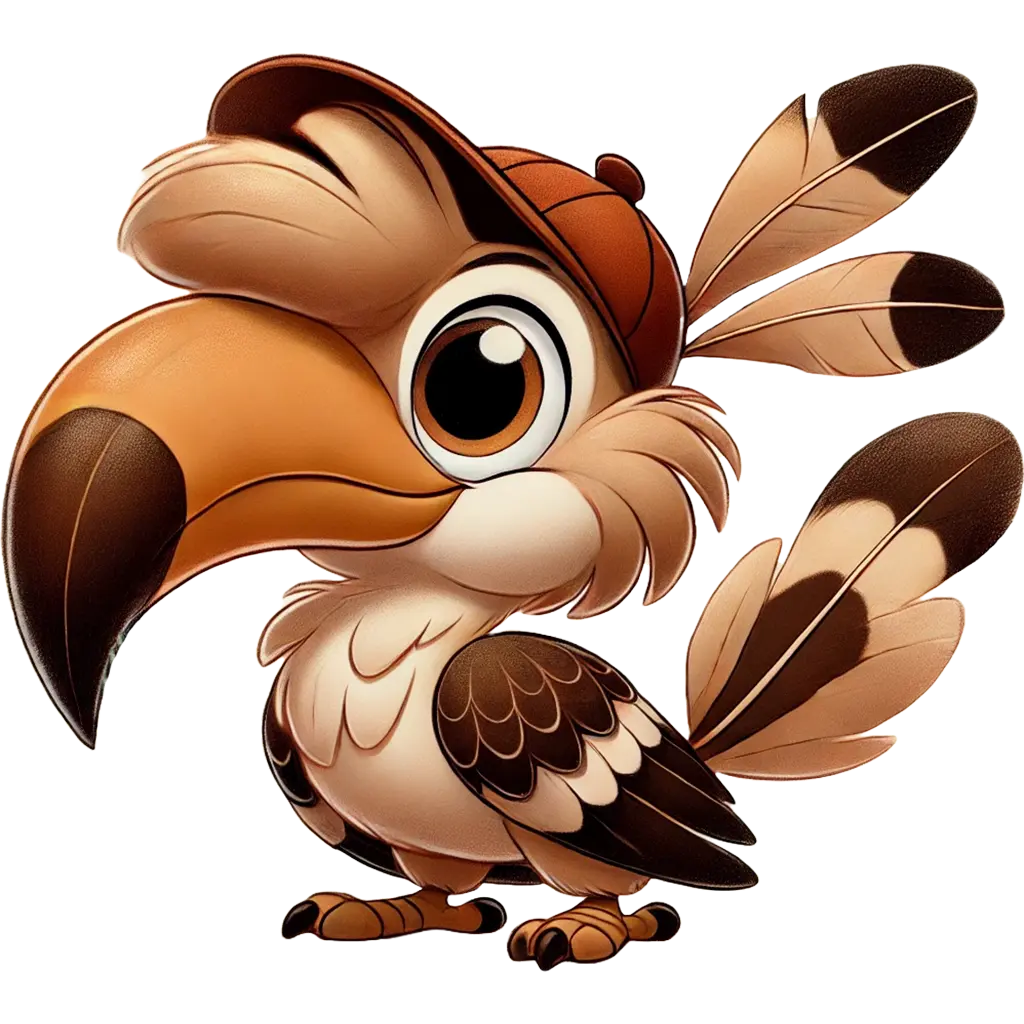
Blyth's Hornbill
Fun Fact
Blyth's Hornbill, also known as the Papuan Hornbill, has a striking casque on its bill.
These birds are monogamous and play a unique role in seed dispersal. They consume various fruits, and their ability to fly long distances helps in spreading seeds across forested areas, promoting biodiversity. Their nesting involves sealing the female inside a tree cavity with mud, leaving just a small slit for food passage.

Download word search puzzles
Word Search Puzzles

Check Out Other Birds
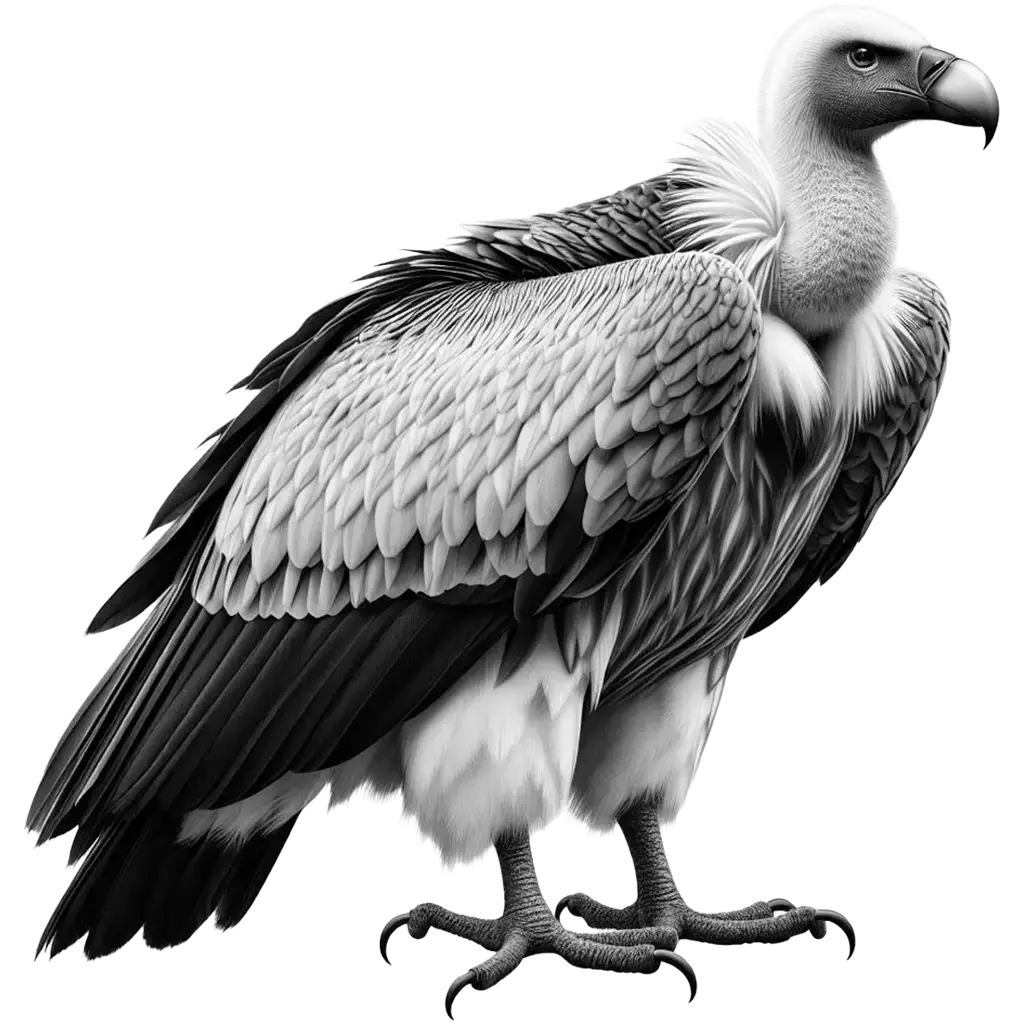
The Eurasian Griffon Vulture, gyps fulvus, is a majestic bird of prey, known for its impressive size and soaring flight. This species is one of the larger vultures, with a wingspan ranging from 230 to 280 centimeters (7.5 to 9.2 feet), and weighs between 6 to 11 kilograms (13 to
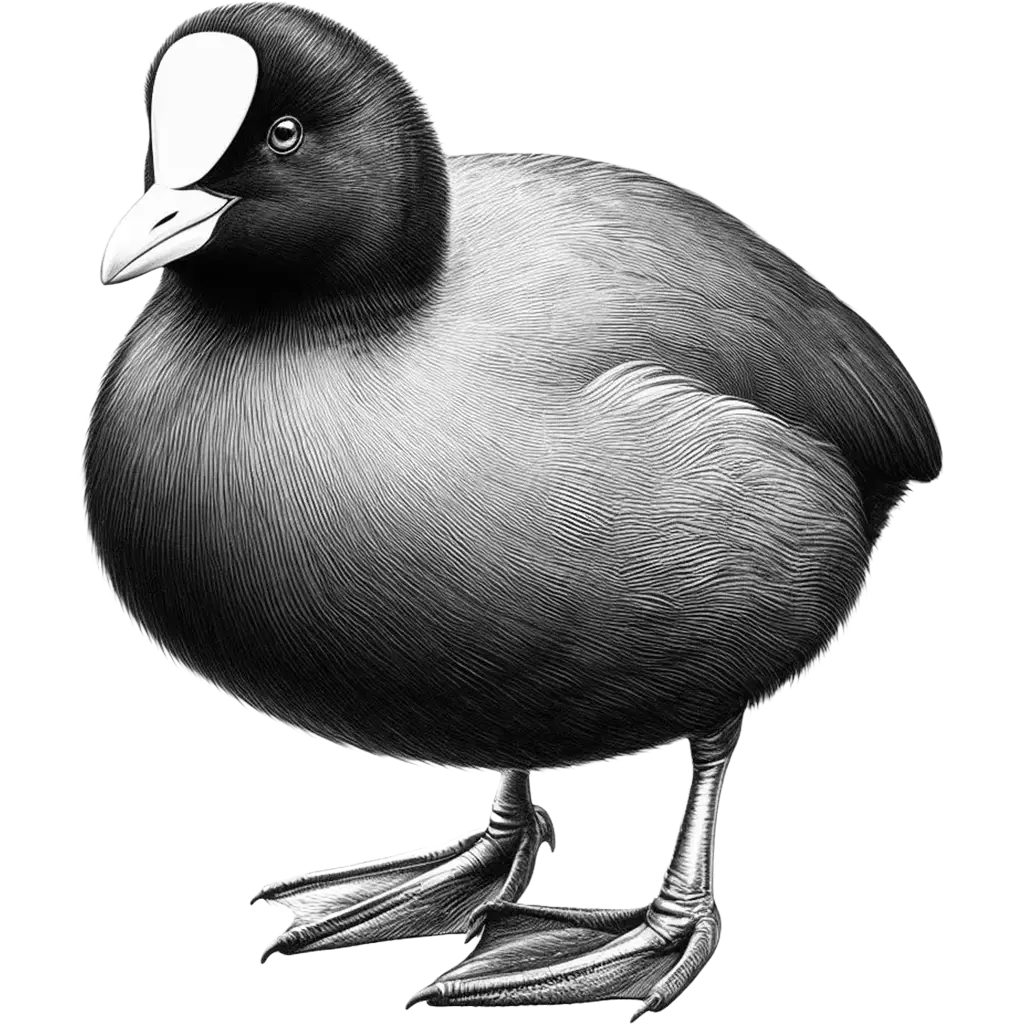
The Eurasian Coot, fulica atra, is a widespread waterbird known for its distinctive all-black plumage and stark white bill and forehead shield. Common across Europe, Asia, Australia, and parts of Africa, this medium-sized bird measures about 32 to 42 centimeters in length and weighs approximately 600 to 900 grams. The
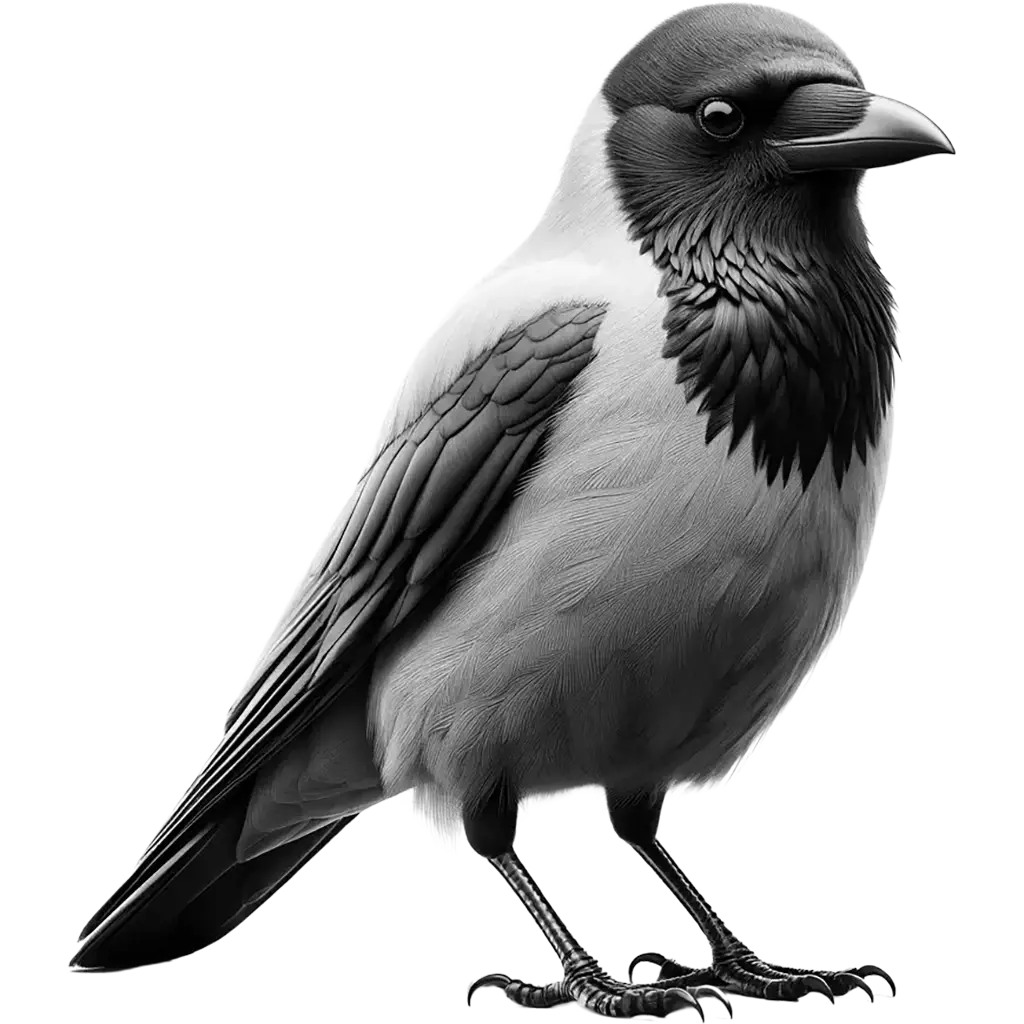
The Piping Crow, corvus typicus, is a distinctive species of bird found in the Indonesian archipelago, particularly on the islands of Sulawesi, Buton, Muna, and Kabaena. This medium-sized crow is characterized by its sleek black plumage, which shows a slight glossy sheen in sunlight. Adult Piping Crows typically measure about

The Little Egret, egretta garzetta, is a small, graceful heron renowned for its brilliant white plumage, slender black bill, and long black legs, with distinctive yellow feet. Measuring approximately 55 to 65 cm in length with a wingspan of 88 to 106 cm, this bird possesses an elegant neck and