
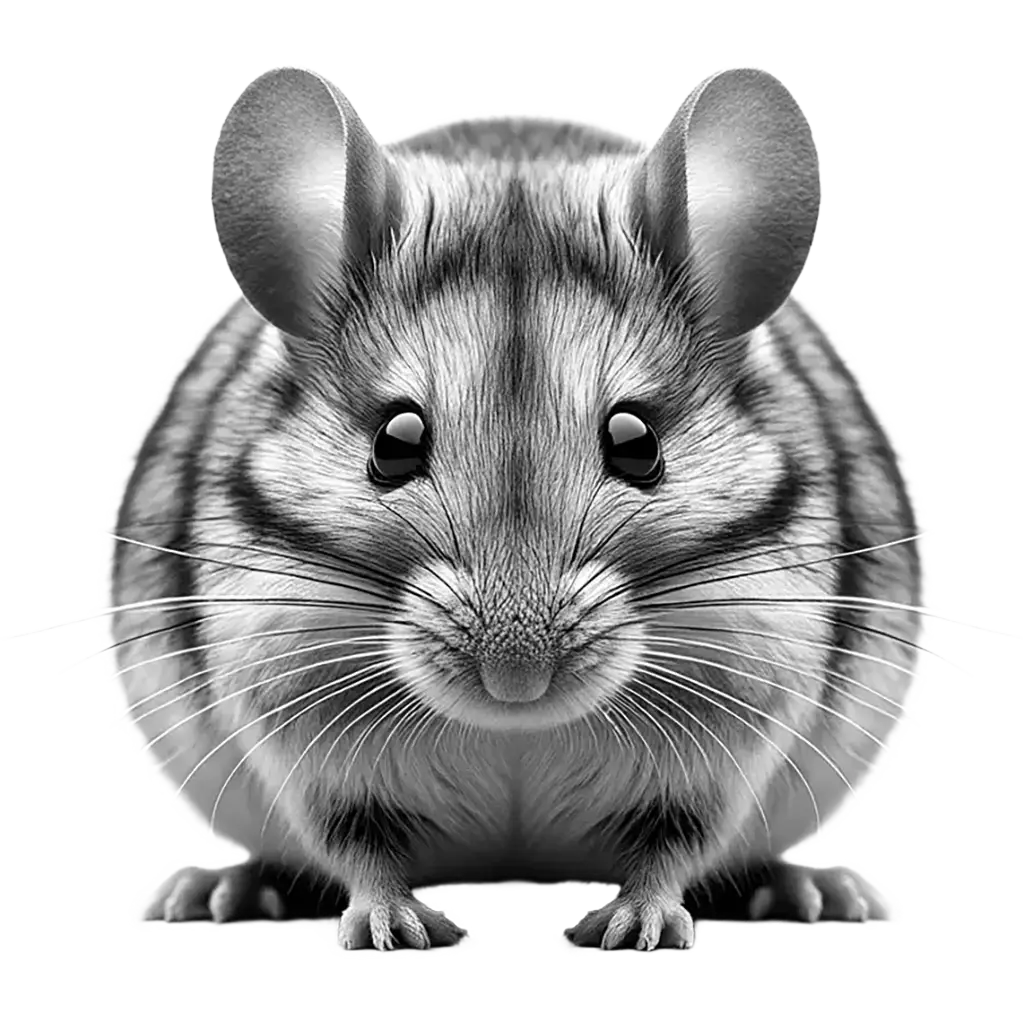
Lemniscomys Barbarus
Barbary Striped Grass Mouse
Grasslands, agricultural fields, and scrub areas
The Barbary Striped Grass Mouse, lemniscomys barbarus, is a small, distinctive rodent known for its unique striping pattern along its back. Adult individuals typically measure between 9 to 12 cm in body length, with a tail that can add an additional 8 to 10 cm. Their fur is soft and dense, predominantly brown or grey in color, adorned with several dark longitudinal stripes that run from the base of the skull to the tail, making them easily distinguishable from other mouse species. These stripes serve as camouflage, helping them blend into their grassy habitats.
| Population: | Not extensively studied, but currently not considered endangered |
| Generation Length: | 1-2 years |
| Average Weight: | 30-50 grams |
| Average Length: | 10-15 cm body length, with a tail of similar length |
| Lifespan: | 2-4 years in the wild |
| Diet: | Primarily seeds and grains, supplemented with insects and other small creatures |
| Conservation Status: | Least Concern (LC) |
Native to North Africa, the Barbary Striped Grass Mouse inhabits a range of environments from arid scrublands to agricultural fields and grasslands. They are highly adaptable, able to thrive in areas altered by human activity. These mice are primarily nocturnal, spending the day in burrows to avoid predators and extreme temperatures, and emerging at night to feed and socialize.
The diet of the Barbary Striped Grass Mouse is omnivorous but leans heavily towards plant matter, including seeds, grains, and leaves. They also consume insects and other small invertebrates, which provide essential proteins. This varied diet allows them to exploit different food sources throughout the year, adapting to the availability of resources in their environment.
Reproduction in the Barbary Striped Grass Mouse can occur throughout the year, with a peak in breeding activity coinciding with the rainy season when food is more abundant. Females can give birth to multiple litters annually, each consisting of 2 to 7 pups. The high reproductive rate helps maintain their population despite predation and other environmental pressures.
The population of the Barbary Striped Grass Mouse is considered stable, with these rodents being common throughout their range. They play a significant role in their ecosystems, both as prey for a variety of predators and as consumers of seeds and insects, influencing the composition and health of their habitats. Despite their abundance, habitat destruction and changes in land use pose ongoing threats, highlighting the need for continued study and conservation efforts to ensure the persistence of their populations and the ecosystems they inhabit.
Classifications
The Key Attributes
Features
- Movement:
Running, burrowing
- Territorial Behavior:
Social in small groups, with some territorial behavior
- Speed:
Quick and agile, capable of fast movements to escape predators
- Diet:
Omnivore
- Physical Features:
- Slender body with distinct stripes running along the back
- Long, thin tail
- Large eyes and ears for enhanced night vision and hearing
- Sharp incisors for gnawing on vegetation and insects
- Primary Senses:
- Sight
- Hearing
- Smell
Understanding Habitat and Range
Geography
- Habitat:
Grasslands, agricultural fields, and scrub areas
- Migration Patterns:
Non-migratory, but may move locally depending on food availability and habitat conditions
- Geographical Range:
Northern Africa, primarily in regions like Morocco, Algeria, and Tunisia
- Climate Preferences:
Prefers arid to semi-arid climates
Navigating the Wilderness
In the wild
- Predators:
Snakes, birds of prey, and small carnivorous mammals
- Prey:
Seeds, grains, insects, and small invertebrates
- Feeding Behavior:
Feeds on seeds, grains, insects, and occasionally small invertebrates
- Diet:
Primarily seeds and grains, supplemented with insects and other small creatures
- Defensive Mechanisms:
- Burrowing and hiding to escape predators
- Fast and agile movements
- Preferred Food Sources:
- Areas with abundant seed and insect populations
Insights Into Reproduction
Mating
- Mating System:
Polygynous
- Number of Offspring:
2-6 pups
- Gestation Period:
About 21 days
- Parental Involvement:
- Females primarily care for the young until they are weaned
Youngsters Section
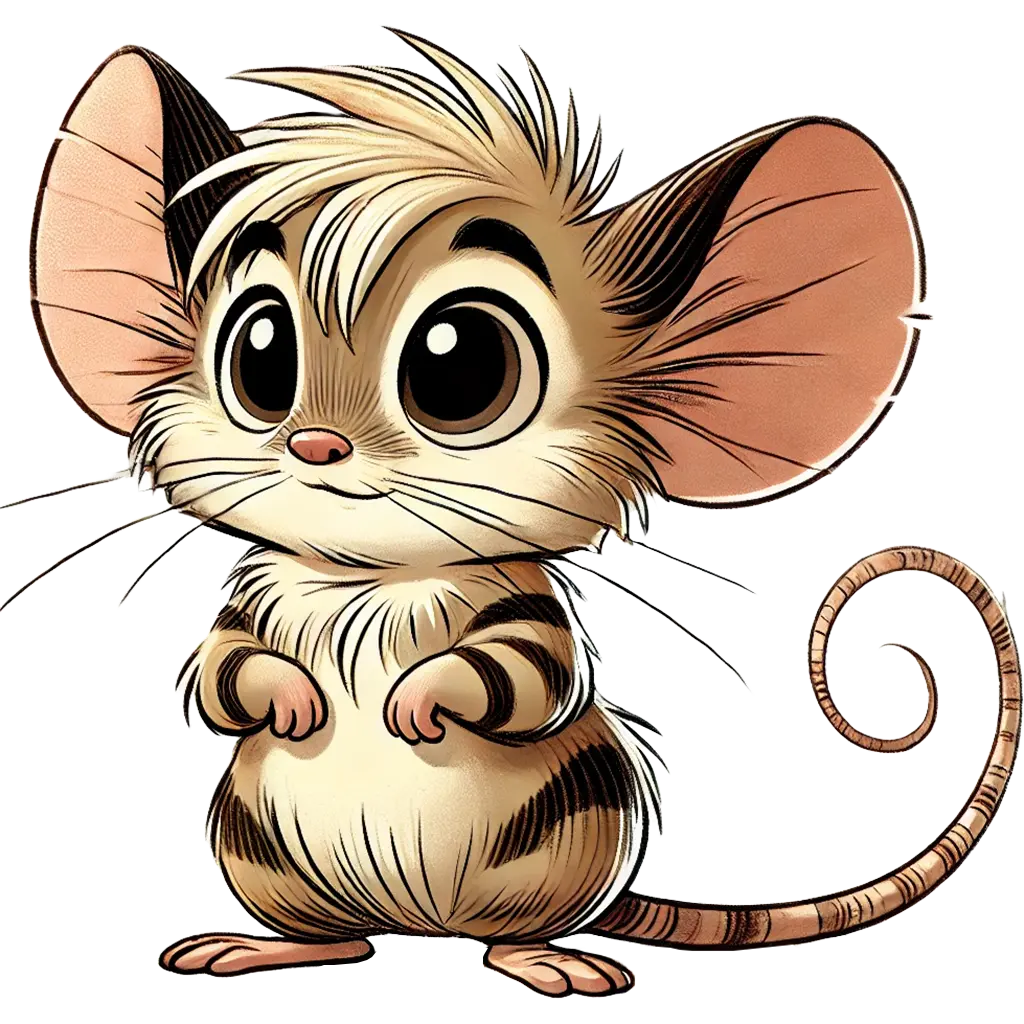
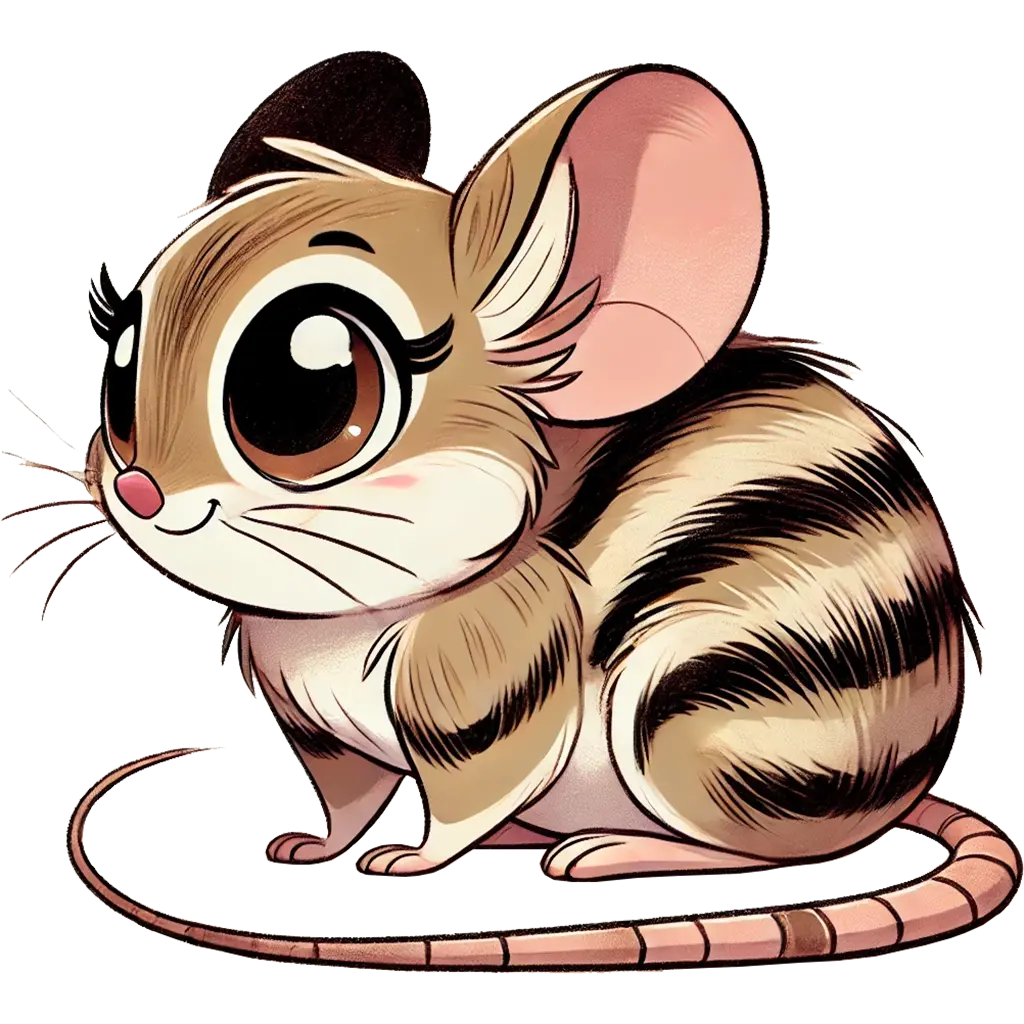
Barbary Striped Grass Mouse
Fun Fact
The Barbary striped grass mouse has distinctive longitudinal stripes on its back.
These stripes help it blend into its environment, offering protection from predators. This mouse is native to North Africa and is known for its adaptability to various habitats, from grasslands to agricultural fields, showcasing its versatility in the wild.

Download word search puzzles
Word Search Puzzles
Check Out Other Mammals

The Grizzly Bear, ursus arctos horribilis, is a formidable subspecies of the brown bear, residing primarily in the forests, mountains, and tundras of North America, particularly in Alaska, western Canada, and parts of the northwestern United States. Characterized by its distinctive hump on its back—a result of powerful muscles used
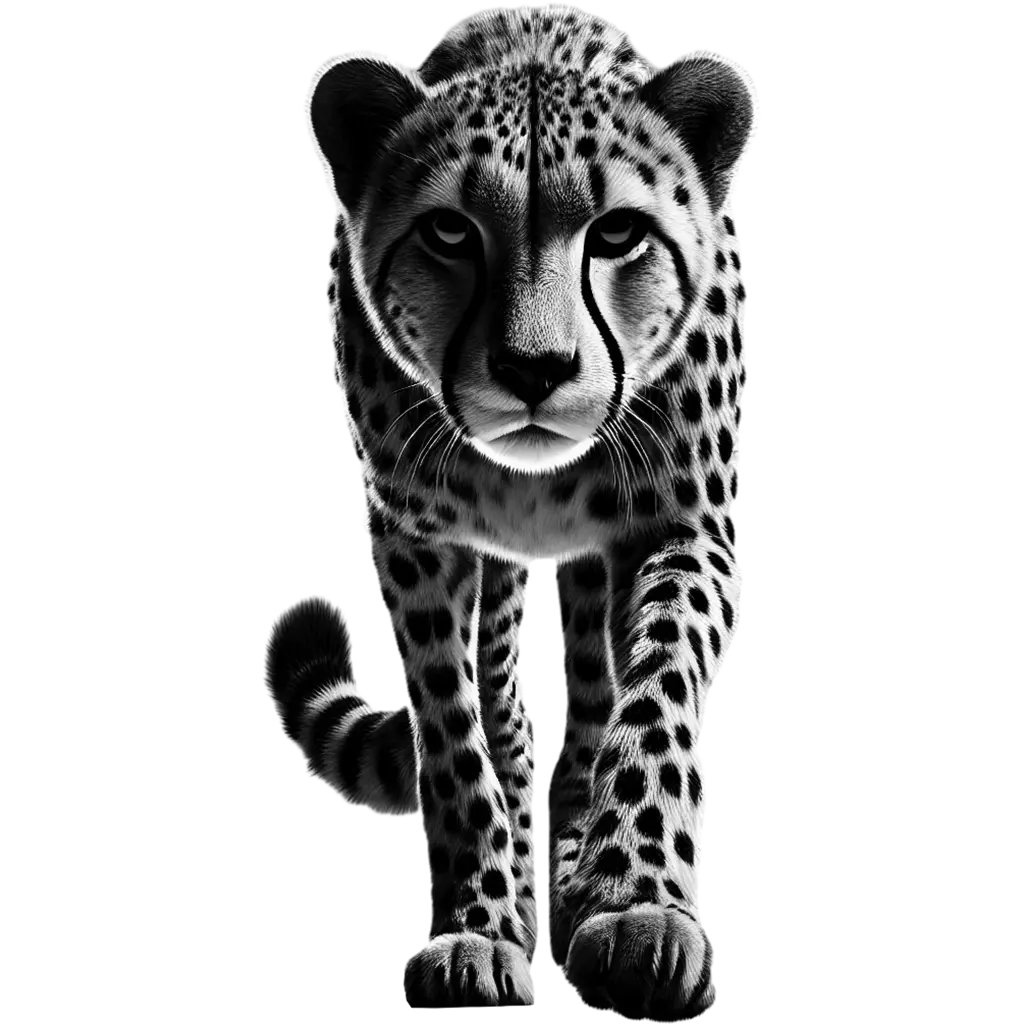
The Cheetah, acinonyx jubatus, stands as a symbol of speed and agility in the animal kingdom, holding the title of the fastest land animal, capable of reaching speeds up to 75 mph (120 km/h) in short bursts covering distances up to 1,500 feet (460 meters). This slender, long-legged feline is
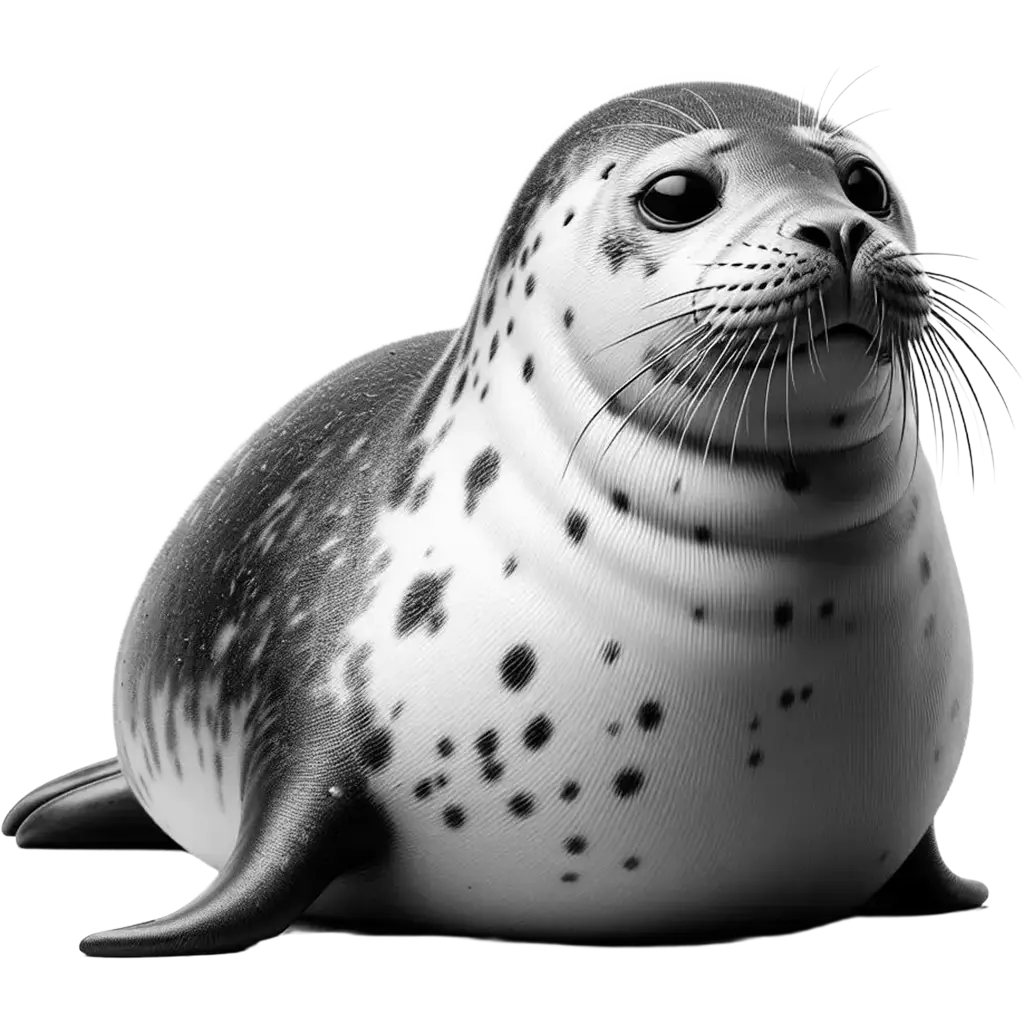
The Harbor Seal, Phoca vitulina, is a widespread species of seal found in temperate coastal waters of the Northern Hemisphere, including the North Atlantic and Pacific Oceans. Adults typically measure between 1.5 to 1.9 meters (5 to 6.25 feet) in length and weigh between 55 to 168 kilograms (120 to
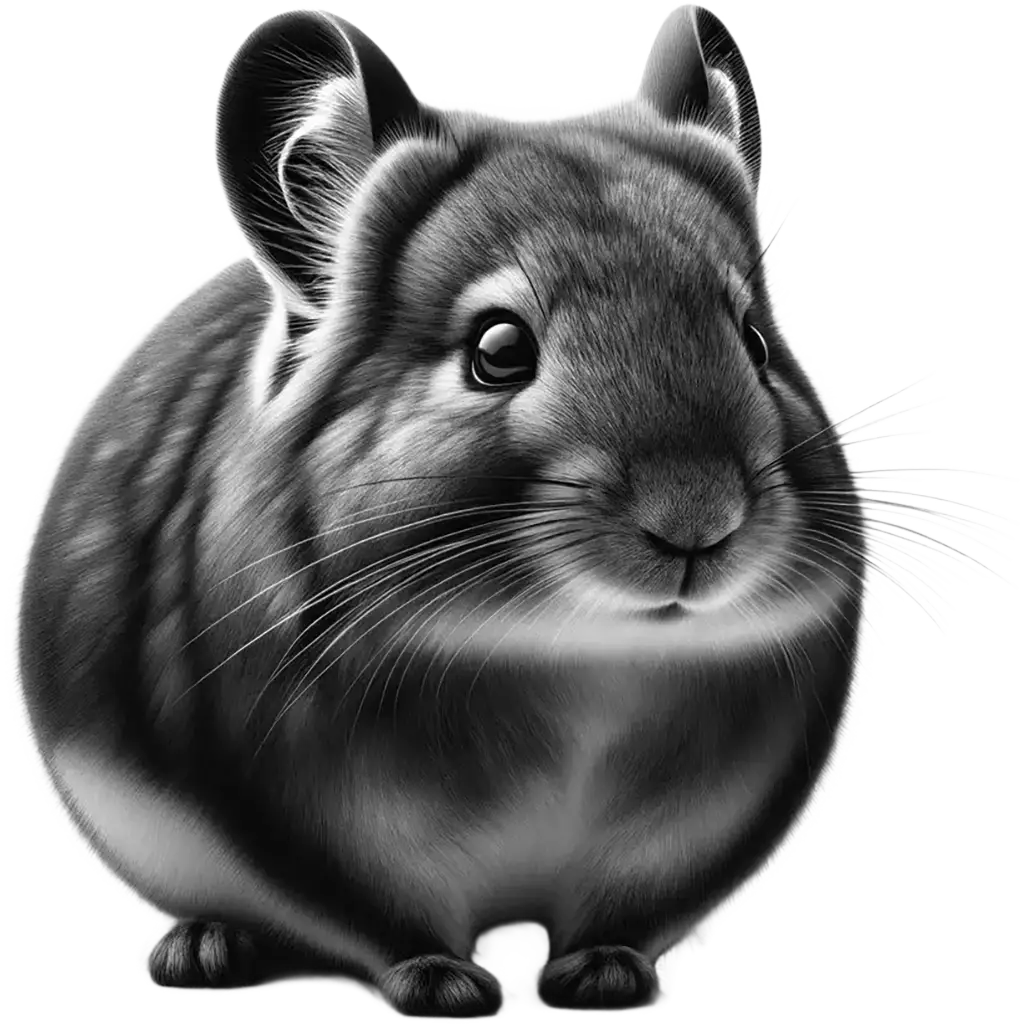
The Daurian Pika, ochotona dauurica, is a small, herbivorous mammal belonging to the pika family, which resides predominantly in the steppe regions of Mongolia, parts of Russia, and northern China. This species is characterized by its compact body, rounded ears, and absence of a visible tail, typical of pikas. Adult