
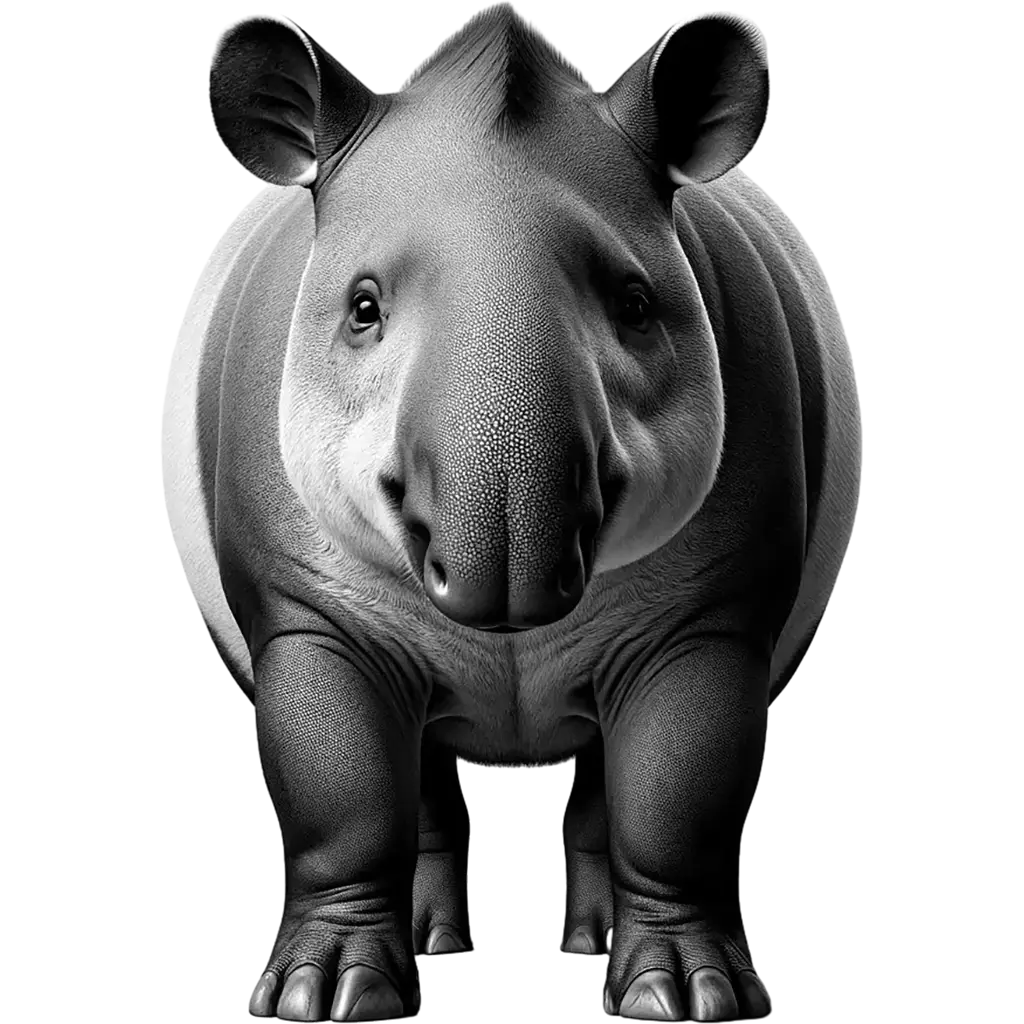
Tapirus Bairdii
Baird's Tapir
Tropical rainforests, swamps, and grasslands
The Baird's Tapir, tapirus bairdii, is the largest indigenous mammal in Central America and the third-largest land mammal in South America. Characterized by its distinctive prehensile snout, similar to a shortened elephant's trunk, this tapir stands about 1 to 1.2 meters tall at the shoulder and can weigh between 150 to 400 kg. Its body is robust and barrel-shaped, covered in a thick, dark brown to grayish-black hide, with a notable white fringe around the ears and lips, and occasionally, light-colored patches on the throat and chest. Juveniles are distinctively marked with white stripes and spots against a dark background, which fade as they mature.
| Population: | Listed as Endangered due to habitat loss and hunting |
| Generation Length: | 8-10 years |
| Average Weight: | 300-400 kg |
| Average Length: | 2-2.5 meters, including the body and head |
| Lifespan: | 25-30 years in the wild |
| Diet: | Primarily folivorous and frugivorous, eating a wide range of plant matter |
| Conservation Status: | Endangered (EN) |
Baird's Tapirs inhabit a variety of forested environments, including lowland rainforests, montane forests, and cloud forests up to 3,600 meters above sea level. They require access to water bodies, as they are excellent swimmers and often take refuge in water to escape predators or to cool off. These tapirs are primarily nocturnal and solitary, maintaining large home ranges that they navigate using well-trodden paths.
The diet of the Baird's Tapir is herbivorous, consisting of leaves, twigs, fruits, and aquatic plants. They play a crucial role in their ecosystems as seed dispersers, particularly for large-seeded fruits that few other animals can process. Their foraging behavior helps to maintain forest diversity and structure.
Reproduction in Baird's Tapirs is slow, with females giving birth to a single calf after a gestation period of approximately 13 months. The calves are weaned at about six months of age but may stay with their mother for up to one year. The long gestation period and extended care of offspring contribute to the tapir's low reproductive rate, which is a concern for conservation efforts.
The population of Baird's Tapir is classified as Endangered due to habitat loss, fragmentation, and poaching. Their vast home range requirements make them particularly vulnerable to the effects of deforestation and agricultural expansion. Conservation initiatives focus on habitat protection, the creation of biological corridors, and anti-poaching measures to ensure the survival of this unique species. The Baird's Tapir is a symbol of the tropical forests it inhabits, and its conservation is vital for the health and diversity of these ecosystems.
Classifications
The Key Attributes
Features
- Movement:
Walking, swimming
- Territorial Behavior:
Solitary, except during mating or mother-calf bonding
- Speed:
Not particularly fast but capable of quick bursts when threatened
- Diet:
Herbivore
- Physical Features:
- Large, stocky body with short legs
- Prehensile upper lip (proboscis) for grasping vegetation
- Dark, thick skin with sparse hair
- Elongated, flexible snout
- Primary Senses:
- Smell
- Hearing
- Taste
Understanding Habitat and Range
Geography
- Habitat:
Tropical rainforests, swamps, and grasslands
- Migration Patterns:
Non-migratory, with home ranges within dense forests
- Geographical Range:
Central America and northern South America, including southern Mexico, Belize, Guatemala, Costa Rica, Panama, and Colombia
- Climate Preferences:
Prefers humid tropical and subtropical environments
Navigating the Wilderness
In the wild
- Predators:
Jaguars, pumas, and humans
- Prey:
Not a predator; consumes a variety of plant materials
- Feeding Behavior:
Feeds on leaves, twigs, fruits, and aquatic vegetation
- Diet:
Primarily folivorous and frugivorous, eating a wide range of plant matter
- Defensive Mechanisms:
- Camouflage in dense forest underbrush
- Quick escape into water or thickets
- Strong jaws and sharp teeth for defense
- Preferred Food Sources:
- Diverse forest ecosystems with abundant plant growth
Insights Into Reproduction
Mating
- Mating System:
Polygynous
- Number of Offspring:
Usually one calf
- Gestation Period:
Approximately 13 months
- Parental Involvement:
- Mothers are solely responsible for nurturing and protecting the calf
Youngsters Section
Baird's Tapir
Fun Fact
Baird's Tapir is the largest indigenous land mammal in Central America, weighing up to 800 pounds.
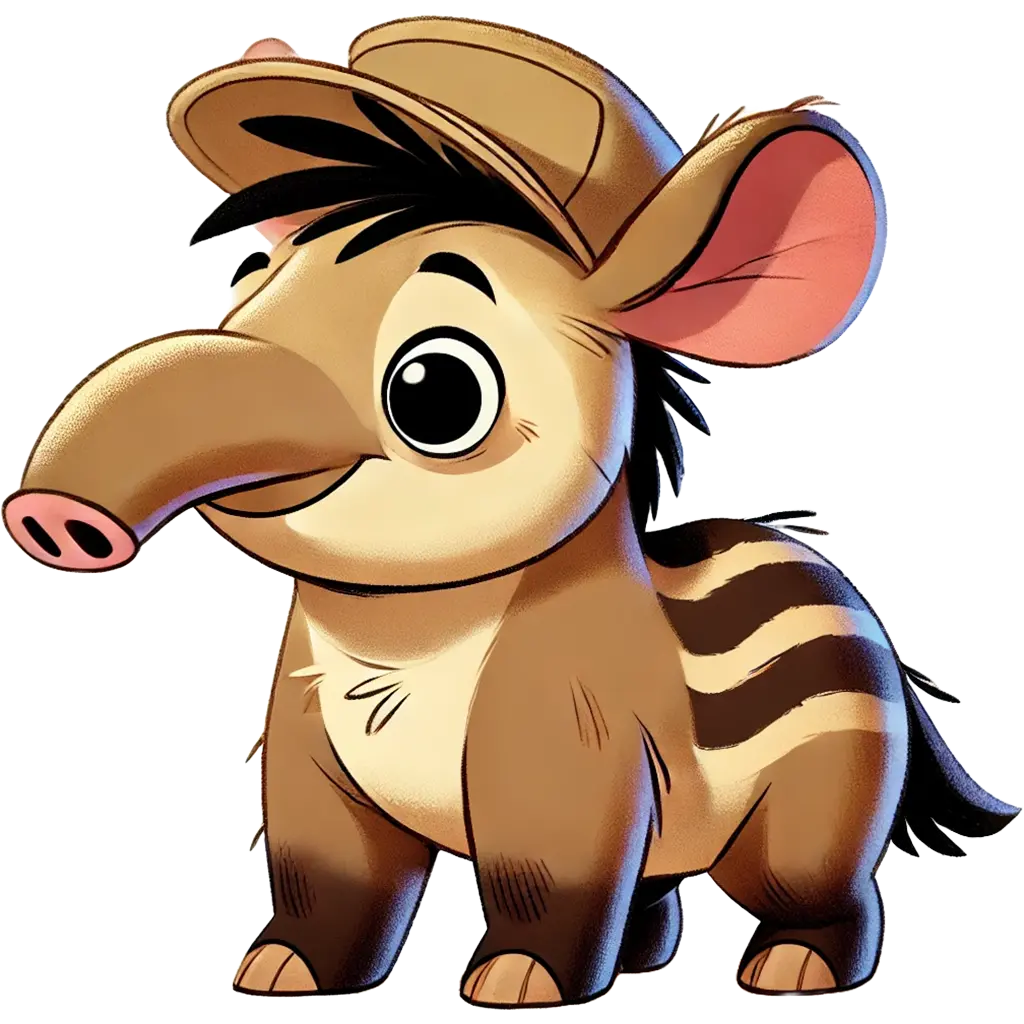
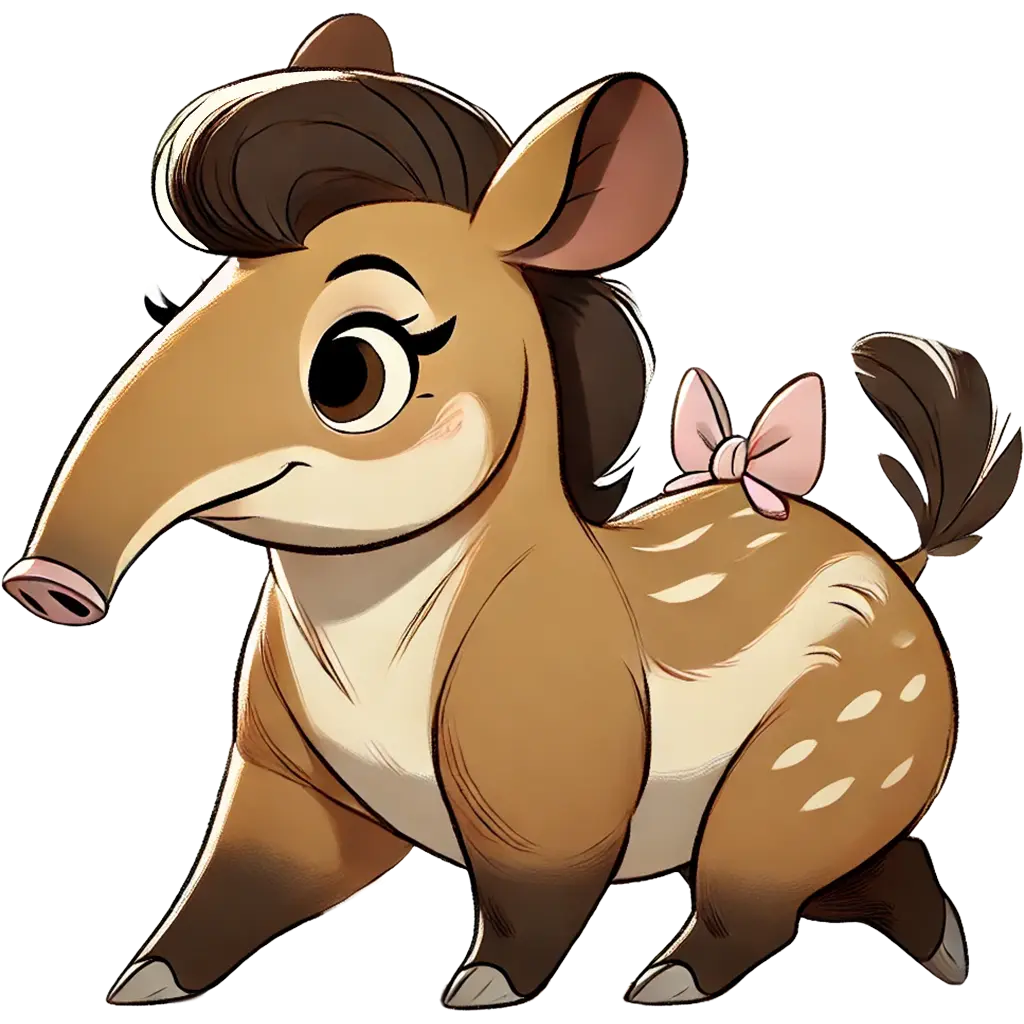
With a flexible snout, they forage on leaves, fruits, and twigs. Their excellent swimming skills aid in escaping predators and navigating dense rainforests. They play a crucial ecological role, as their feeding habits help in seed dispersal, maintaining the forest's health.

Download word search puzzles
Word Search Puzzles
Check Out Other Mammals
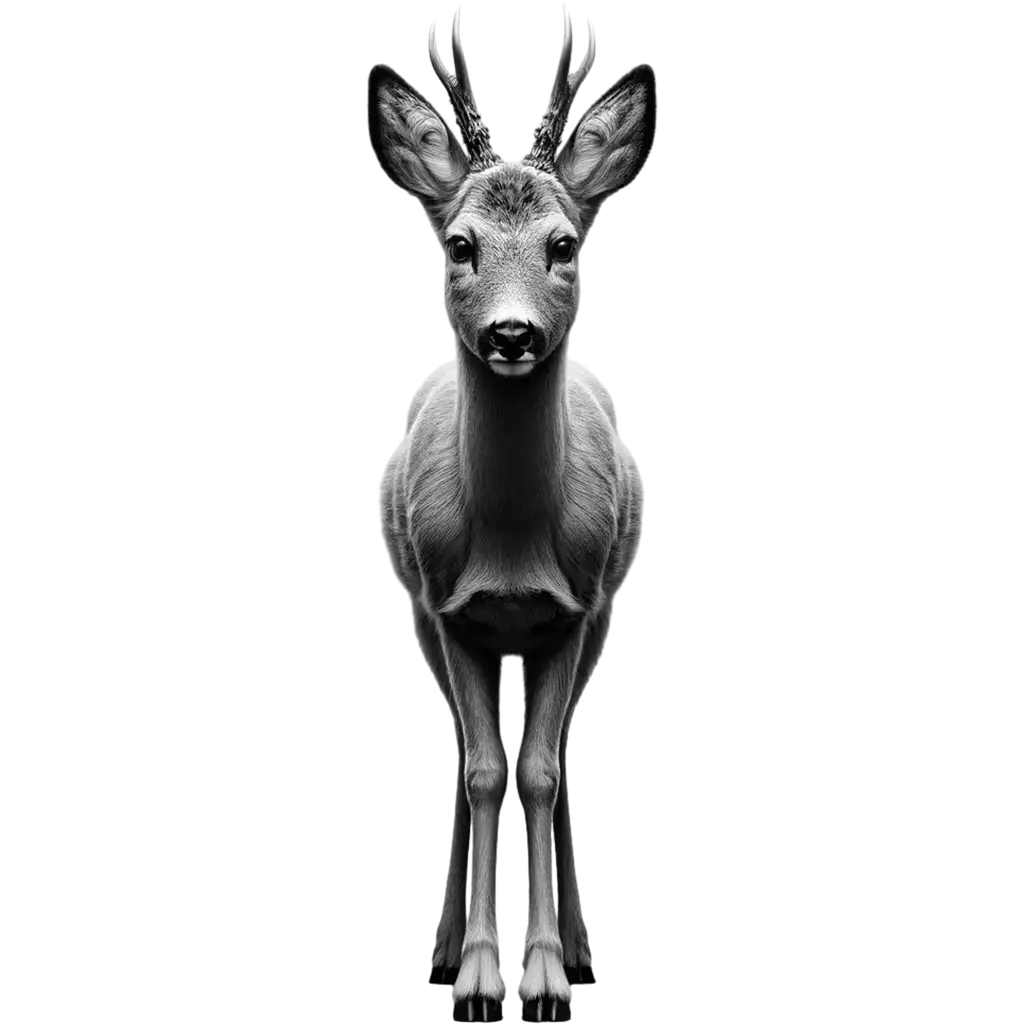
The Roe Deer, capreolus capreolus, is a small and graceful deer species native to Europe and parts of Asia. It stands about 60 to 75 cm at the shoulder and weighs between 10 to 25 kg, with males generally larger than females. The summer coat is a reddish-brown, turning to
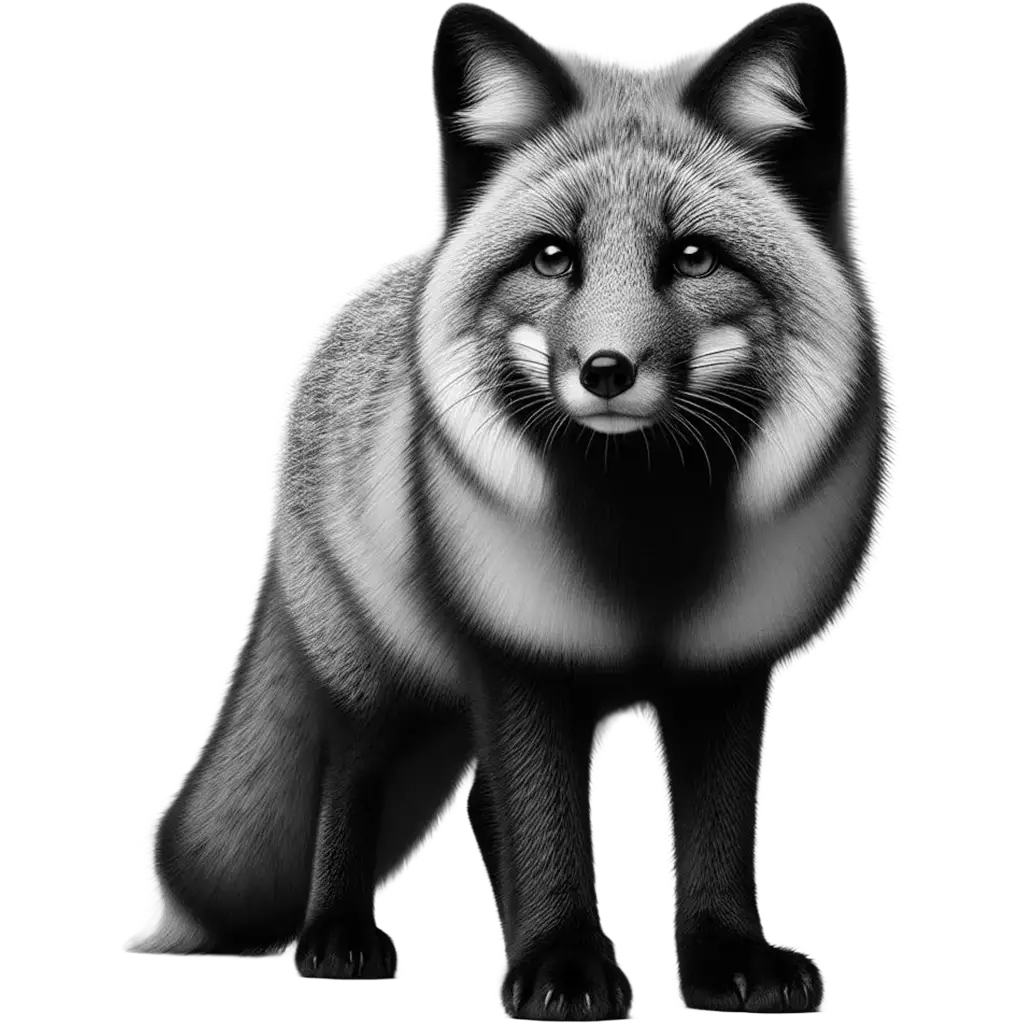
The Gray Fox, urocyon cinereoargenteus, is a medium-sized canid distinguished by its grizzled gray coat, with a black stripe running down its back and tail, and a white underbelly. Its most notable feature is its ability to climb trees, thanks to its strong, hook-shaped claws. This fox typically measures about
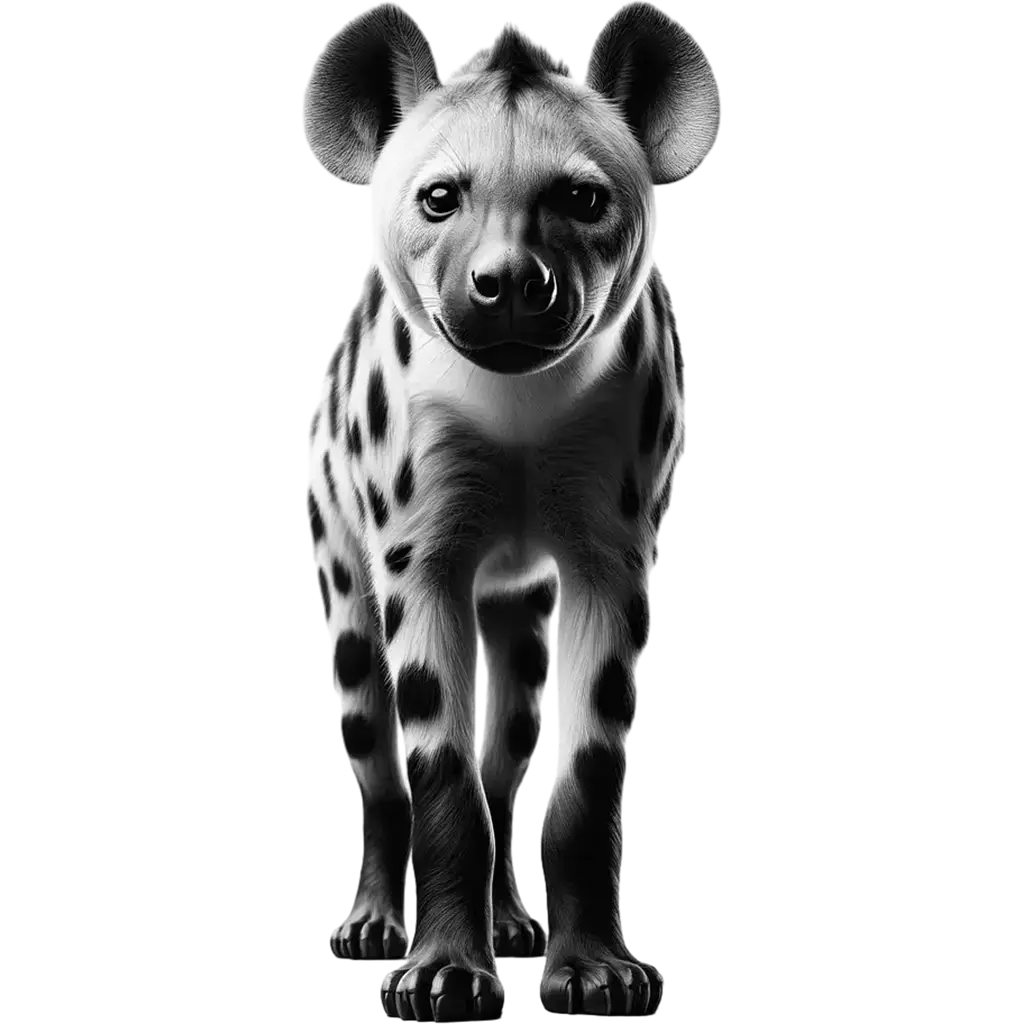
The Spotted Hyena, crocuta crocuta, often misunderstood as solely a scavenger, is in fact a skilled hunter and the most social of the hyena species. Adults can weigh between 40 to 80 kg and measure up to 1.5 meters in length, with females generally larger and more dominant than males.
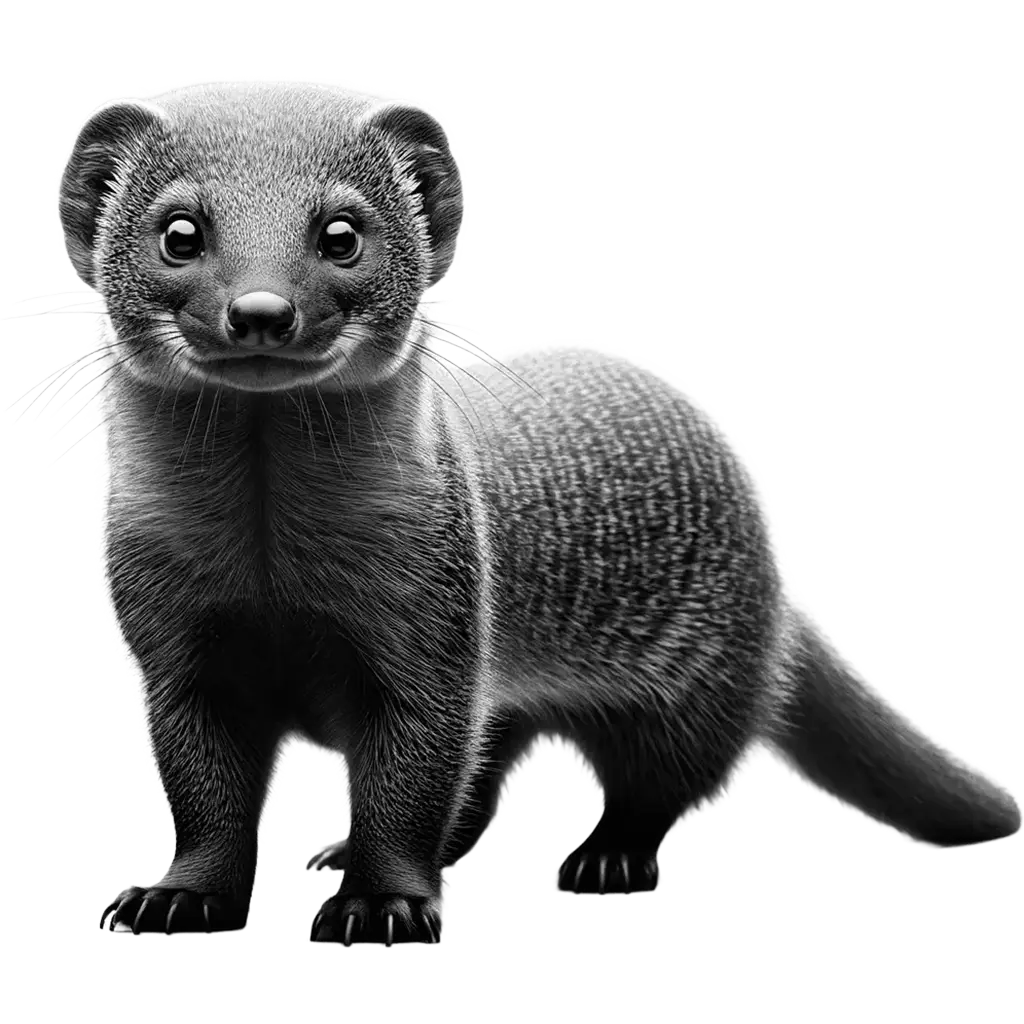
The Indian Brown Mongoose, urva fusca, previously known as Herpestes fuscus, is a small, elusive mammal native to the forests and shrublands of southern India and Sri Lanka. This species is characterized by its dark brown or reddish-brown fur, which helps it blend into the forest floor. It has a