

Ichthyophis Tricolor
Three-Colored Caecilian
Wet, semi-evergreen tropical forests; also found in agricultural areas and rubber plantations
Ichthyophis tricolor, commonly known as the Three-colored Caecilian, is an intriguing amphibian with an elongated, limbless body that resembles a worm. Its skin displays a remarkable combination of three distinct colors—deep brown, vibrant orange, and creamy white—that form striking patterns along its length. The head is modest with reduced eyes, and the smooth, moist skin aids in its subterranean life. Its slender form and delicate texture further enhance its mysterious charm.
| Population: | Not uncommon in parts of its range; exact numbers unknown |
| Generation Length: | 3-4 years |
| Average Weight: | 50-200 grams |
| Average Length: | 226-330 mm |
| Lifespan: | 10-15 years |
| Diet: | Earthworms, insects, and other small soil-dwelling creatures |
| Conservation Status: | Least Concern (LC) |
The Three-colored Caecilian is predominantly a burrowing amphibian that spends most of its life hidden beneath the forest floor. It thrives in moist, tropical soils and is particularly active during the rainy season when the earth is soft and nutrient-rich. This secretive creature rarely surfaces, only emerging during heavy rains or while searching for mates. Adapted to a life underground, it navigates narrow tunnels using specialized sensory tentacles to detect vibrations and chemical cues. Its reclusive nature and slow, deliberate movements help it conserve energy and avoid predators, ensuring its survival in a challenging habitat.
Diet is a critical component of the Three-colored Caecilian's survival strategy. This amphibian primarily feeds on small invertebrates such as earthworms, termites, and various soil-dwelling insects that it detects with its sensitive sensory organs. It also consumes larvae and other soft-bodied creatures found in the moist soil environment. Its slow metabolism is well supported by a nutrient-rich diet that provides essential proteins and minerals. By patiently ambushing prey in dark, damp tunnels, its efficient digestive system extracts maximum nutrition, enabling it to thrive even during periods of food scarcity.
During the mating season, the Three-colored Caecilian engages in a unique reproductive ritual. Males and females come together in moist, secluded environments where chemical signals play a vital role in partner recognition. Courtship involves subtle movements and tactile interactions, ensuring a brief but effective exchange of gametes. Subsequent spawning confirms a successful pairing. These coordinated behaviors enhance the chance of fertilization in their hidden, damp habitats.
The population of the Three-colored Caecilian is relatively elusive, with individuals scattered across its native tropical regions. While not considered critically endangered, its numbers are sensitive to habitat loss and environmental changes. Conservation efforts are underway in some areas to monitor populations and protect the delicate ecosystems they inhabit. Continuous research is essential to better understand their distribution and ensure their long-term survival.
Classifications
The Key Attributes
Features
- Movement:
Subterranean; burrowing
- Territorial Behavior:
Not specified
- Speed:
Not specified
- Diet:
Not specified
- Physical Features:
- Violet-brown body
- Yellow lateral stripe from lips to tail tip
- Broad white ventral stripe
- Slightly projecting snout
- Distinct eyes
- Tentacles near eyes at upper lip edge
- Primary Senses:
- Sight
- Smell
Understanding Habitat and Range
Geography
- Habitat:
Wet, semi-evergreen tropical forests; also found in agricultural areas and rubber plantations
- Migration Patterns:
Non-migratory
- Geographical Range:
Endemic to the Western Ghats, India; specifically in Tamil Nadu, Kerala, and southwestern Karnataka
- Climate Preferences:
Tropical; elevations from near sea level up to 1200 meters
Navigating the Wilderness
In the wild
- Predators:
Not specified
- Prey:
Not specified
- Feeding Behavior:
Not specified
- Diet:
Earthworms, insects, and other small soil-dwelling creatures
- Defensive Mechanisms:
- Subterranean lifestyle
- Preferred Food Sources:
- Not specified
Insights Into Reproduction
Mating
- Mating System:
Not specified
- Number of Offspring:
Not specified
- Incubation Period:
Not specified
- Parental Involvement:
- Not specified
Youngsters Section
Three-Colored Caecilian
Fun Fact
Despite its burrowing nature, the Three-colored Caecilian possesses distinct eyes, a feature not common among all caecilian species.
This adaptation may aid in navigating its subterranean environment, although its vision is likely limited compared to other amphibians.

Download word search puzzles
Word Search Puzzles


Check Out Other Amphibians
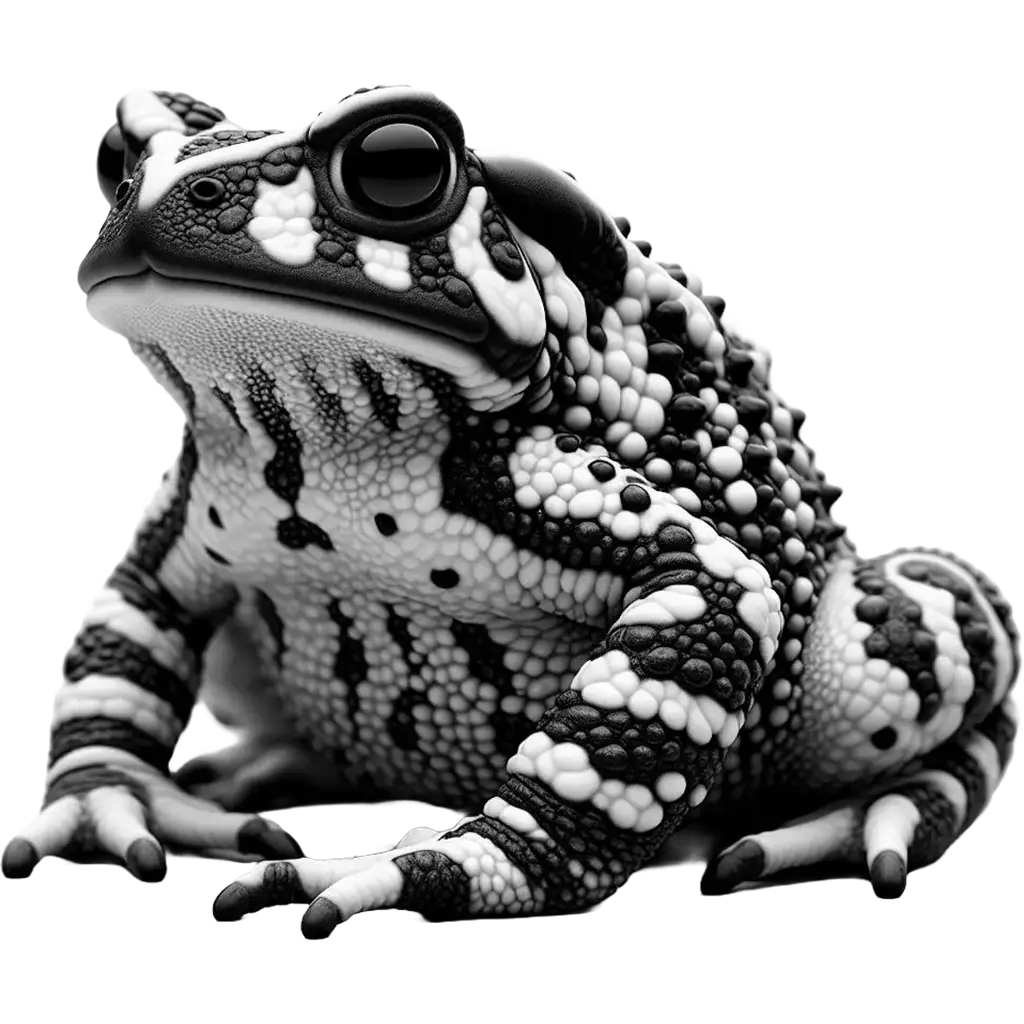
The Gray Treefrog, Dryophytes versicolor, is a small, adaptable amphibian native to much of the eastern United States and parts of Canada. This species is renowned for its remarkable ability to change color from gray to green, depending on its environment and activity, aiding in camouflage among trees and foliage.

The Giant Leaf Frog, Phyllomedusa bicolor, is a remarkable amphibian native to the Amazon rainforest, known for its striking appearance and unique adaptations. This species is characterized by its vibrant green color, which provides excellent camouflage among the foliage where it resides. The underbelly of the frog is a stark

The Cuban Spotted Toad is a robust amphibian with a mottled, warty skin that displays an array of brown and green spots, offering excellent camouflage against the forest floor. Its broad, rounded head and short, sturdy limbs give it a compact build, while its small, recessed eyes and subtle facial
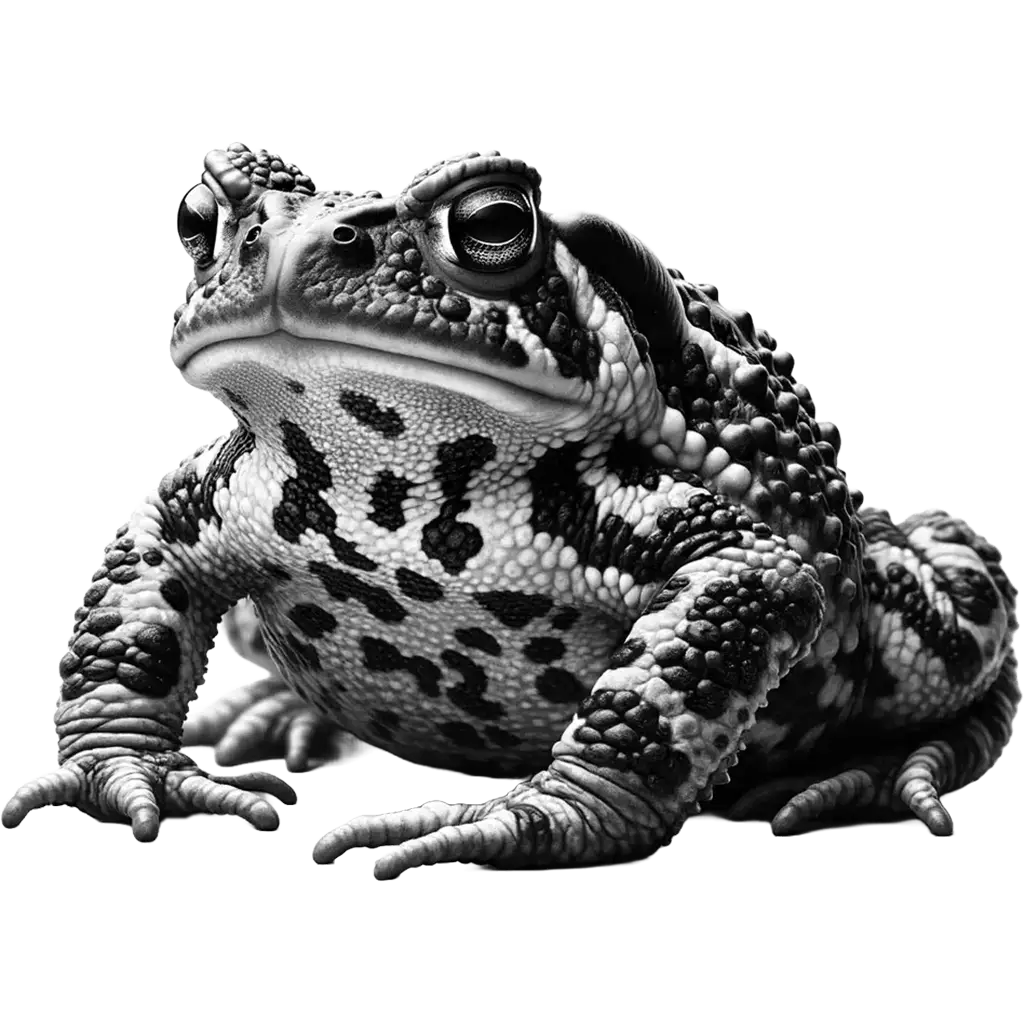
The Natterjack Toad, epidalea calamita, is a distinctive amphibian species known for the yellow line running down the middle of its back. Smaller than the common toad, adults typically measure about 6 to 7 cm in length. Their skin is warty and varies in color from greenish to brownish, providing