
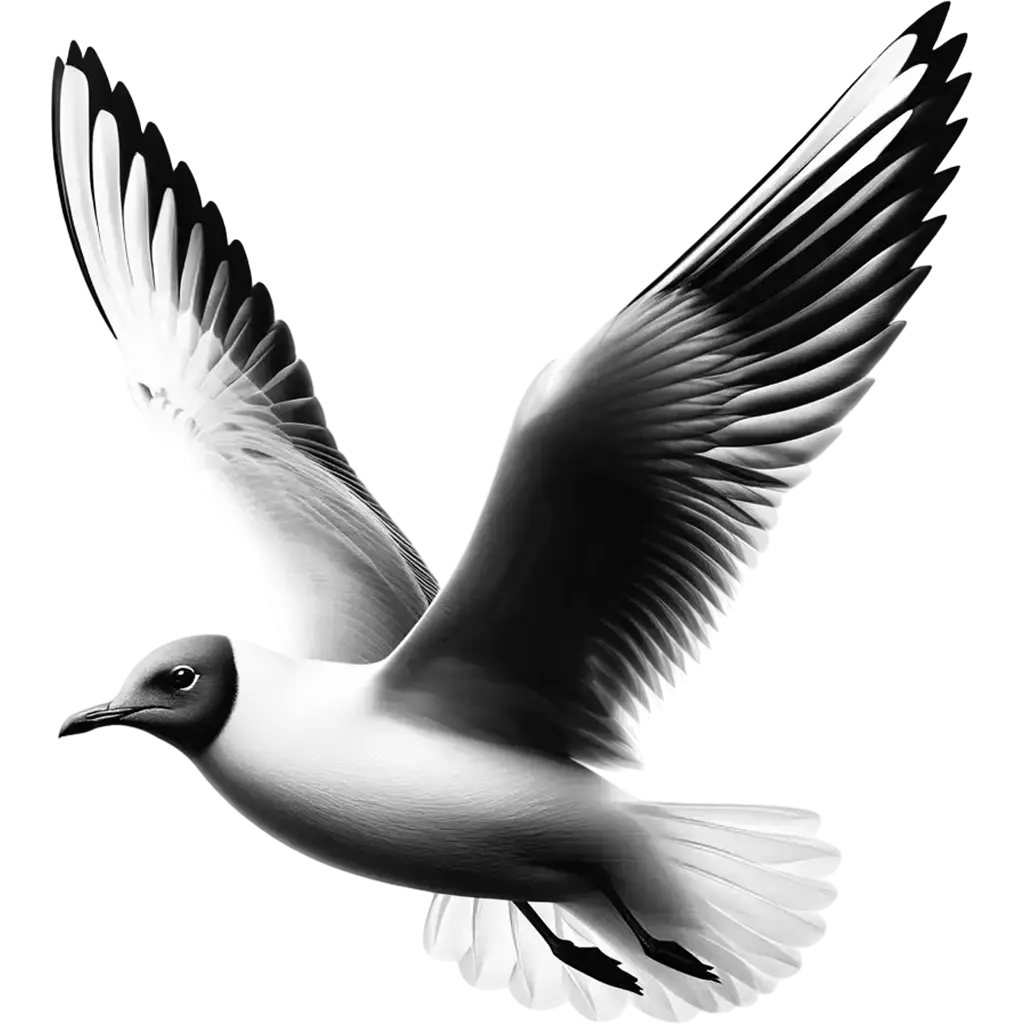
Xema Sabini
Sabine's Gull
Arctic and subarctic regions for breeding; coastal and open ocean areas during migration
Sabine's Gull, xema sabini, is a small and distinctive seabird known for its striking plumage and unique migratory patterns. Adults display a slender, graceful profile with a wingspan of approximately 81 to 84 cm. Their summer plumage features a dark hood, white triangles on the leading edges of the wings, and a black-tipped red bill, making them easily distinguishable from other gulls. In winter, the hood is lost, revealing a white head with a smudged grey patch behind the eye. Juveniles possess a brown mottled pattern that gradually transitions to adult plumage over a few years.
| Population: | Listed as Least Concern, with stable populations |
| Generation Length: | 4 years |
| Average Weight: | 140-200 grams |
| Average Length: | 27-33 cm |
| Lifespan: | Up to 10-15 years in the wild |
| Diet: | Feeds on a variety of small marine creatures as well as insects during breeding season |
| Conservation Status: | Least Concern (LC) |
Primarily breeding in the Arctic regions of Canada, Greenland, and Siberia, Sabine's Gulls nest on the ground in small colonies near water, often on tundra lakeshores or riverbanks. After breeding, they undertake a remarkable migration to spend the winter off the coasts of South America and Africa, showcasing their adaptability to varying marine environments. This extensive migration includes traveling along coastlines and open ocean, where they are often seen in mixed-species flocks.
The diet of Sabine's Gull is varied, including small fish, crustaceans, insects, and occasionally plant material. They are opportunistic feeders, adept at catching prey both at the surface of the water and in flight. Their feeding behavior can include following larger marine animals to catch prey disturbed by their movement, showcasing their intelligent foraging strategies.
Reproduction for Sabine's Gull involves laying two to three eggs in a shallow nest scrape, lined with vegetation. Both parents share incubation duties, which last about 24 to 26 days. The chicks are precocial, leaving the nest shortly after hatching but remaining dependent on their parents for food and protection.
The population of Sabine's Gull is considered stable, although they face threats from climate change, which affects their breeding habitats in the Arctic, and potential oil spills and pollution in their marine wintering grounds. Conservation efforts for Sabine's Gull focus on protecting critical breeding sites and monitoring population trends to ensure the sustainability of this unique species. Their annual migration is a subject of interest for ornithologists, highlighting the interconnectedness of global ecosystems.
Classifications
The Key Attributes
Features
- Movement:
Flying, swimming
- Territorial Behavior:
Non-territorial, social during breeding and migratory periods
- Speed:
Fast and agile flyer, capable swimmer
- Diet:
Omnivore
- Physical Features:
- Small gull with a slender body and forked tail
- Black head cap in breeding plumage with a white body and grey wings
- Distinctive black and white pattern on the upper wings
- Short legs and webbed feet for swimming
- Primary Senses:
- Sight
- Hearing
Understanding Habitat and Range
Geography
- Habitat:
Arctic and subarctic regions for breeding; coastal and open ocean areas during migration
- Migration Patterns:
Long-distance migrant, traveling to tropical and subtropical oceans in the non-breeding season
- Geographical Range:
Breeds in the Arctic regions of North America, Europe, and Asia; winters offshore in the Atlantic, Pacific, and Indian Oceans
- Climate Preferences:
Cold arctic regions during breeding; warmer oceanic regions during winter
Navigating the Wilderness
In the wild
- Predators:
Birds of prey, foxes, and larger gulls
- Prey:
Small fish, invertebrates, and marine organisms
- Feeding Behavior:
Feeds on insects, small fish, and crustaceans, often catching prey on the wing or surface of the water
- Diet:
Feeds on a variety of small marine creatures as well as insects during breeding season
- Defensive Mechanisms:
- Agile flying to evade predators
- Nesting in colonies to increase vigilance and protection
- Preferred Food Sources:
- Areas rich in small fish and marine invertebrates
Insights Into Reproduction
Mating
- Mating System:
Monogamous
- Number of Offspring:
Usually 2-3 eggs
- Incubation Period:
About 24-26 days
- Parental Involvement:
- Both parents share in incubation and feeding of the young
Youngsters Section
Sabine's Gull
Fun Fact
Sabine's Gull has a unique, striking wing pattern, featuring a bold black, white, and gray color scheme.
This gull breeds in the Arctic and undertakes long migratory journeys to the South Atlantic, covering thousands of miles. Its triangular tail and distinctive wing pattern make it easily recognizable. Sabine's Gull is often spotted in flocks during migration, exhibiting agile and graceful flight.

Download word search puzzles
Word Search Puzzles
Check Out Other Birds
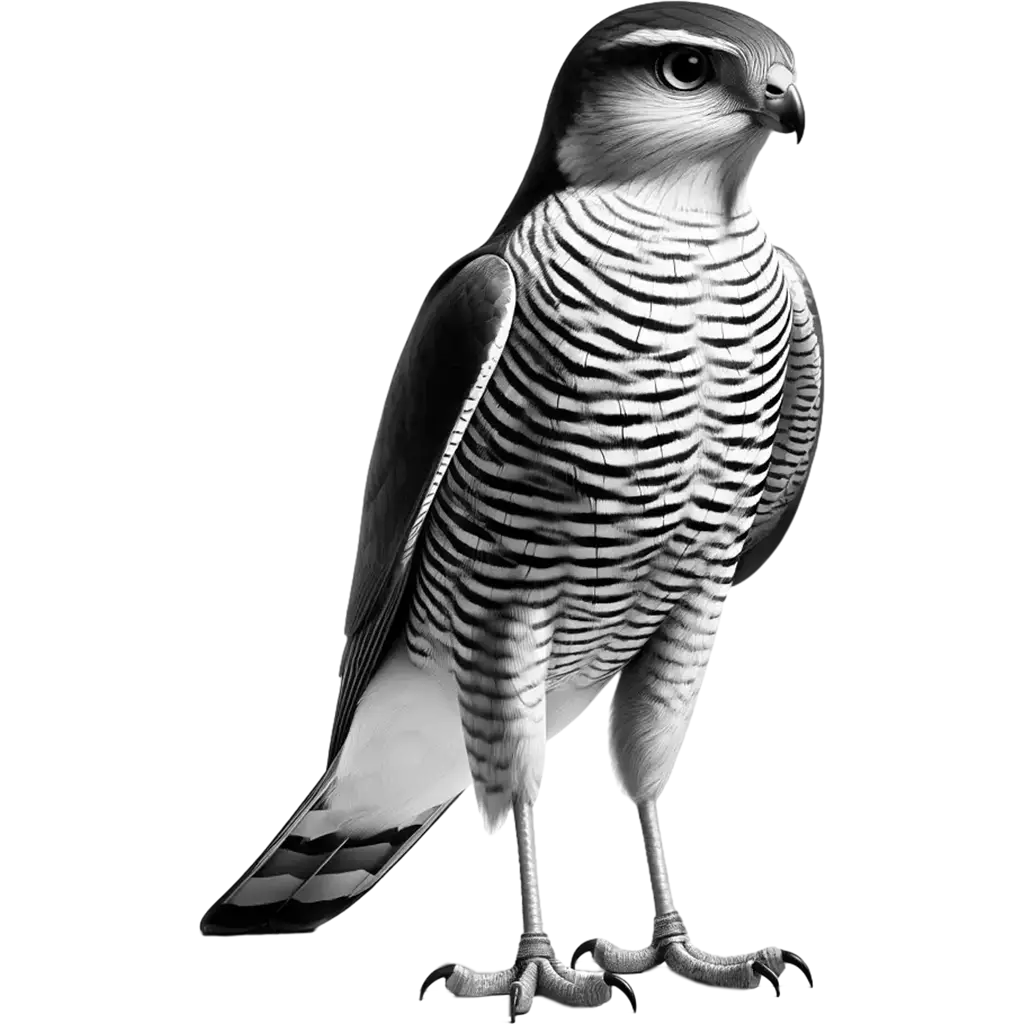
The Chestnut-Flanked Sparrowhawk, accipiter castanilius, is a small, elusive bird of prey found in the dense forests of West and Central Africa. This raptor is notable for its striking appearance, with adult males displaying a distinctive chestnut color on their flanks, contrasting with their slate-gray back and wings. The underparts
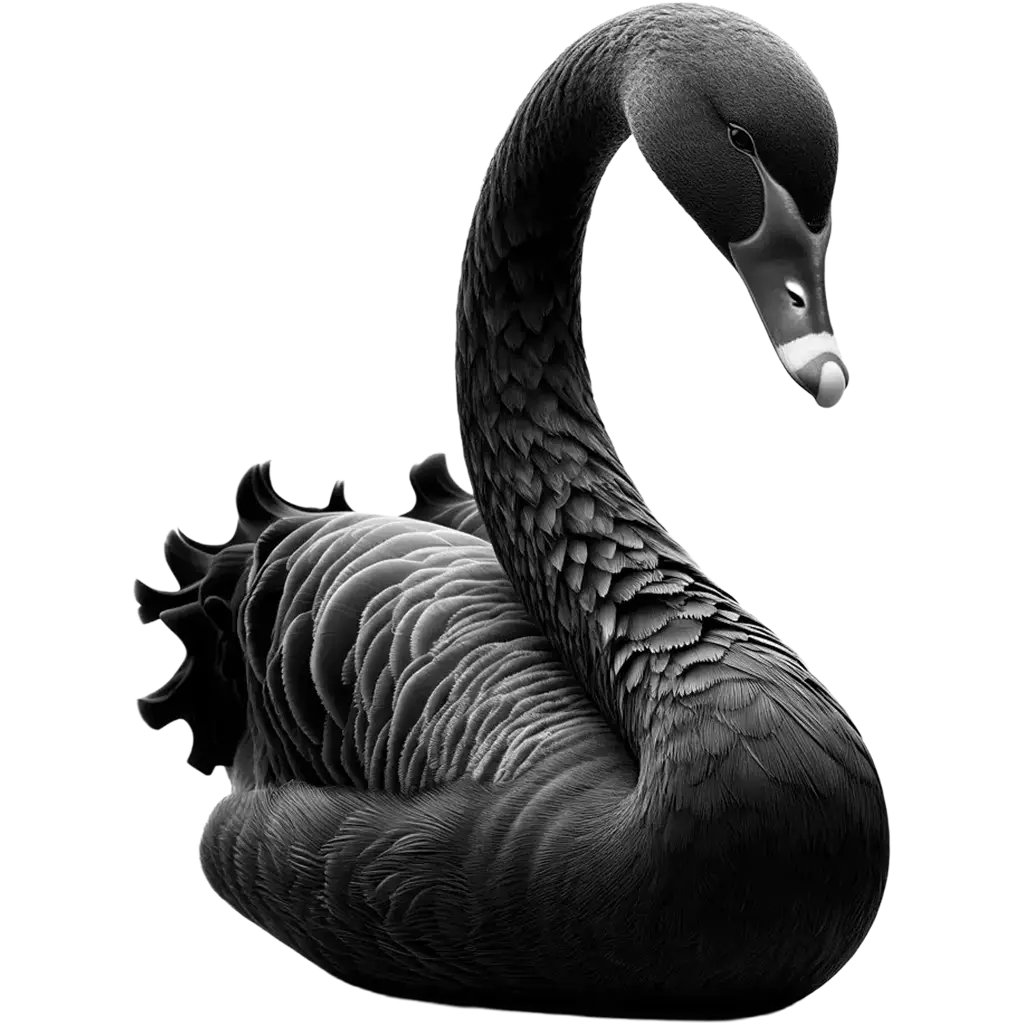
The Black Swan, cygnus atratus, is a large waterbird native to Australia, easily distinguished by its mostly black plumage and striking red bill with a white band. It measures between 110 to 142 centimeters in length and has a wingspan of up to 2 meters, making it one of the
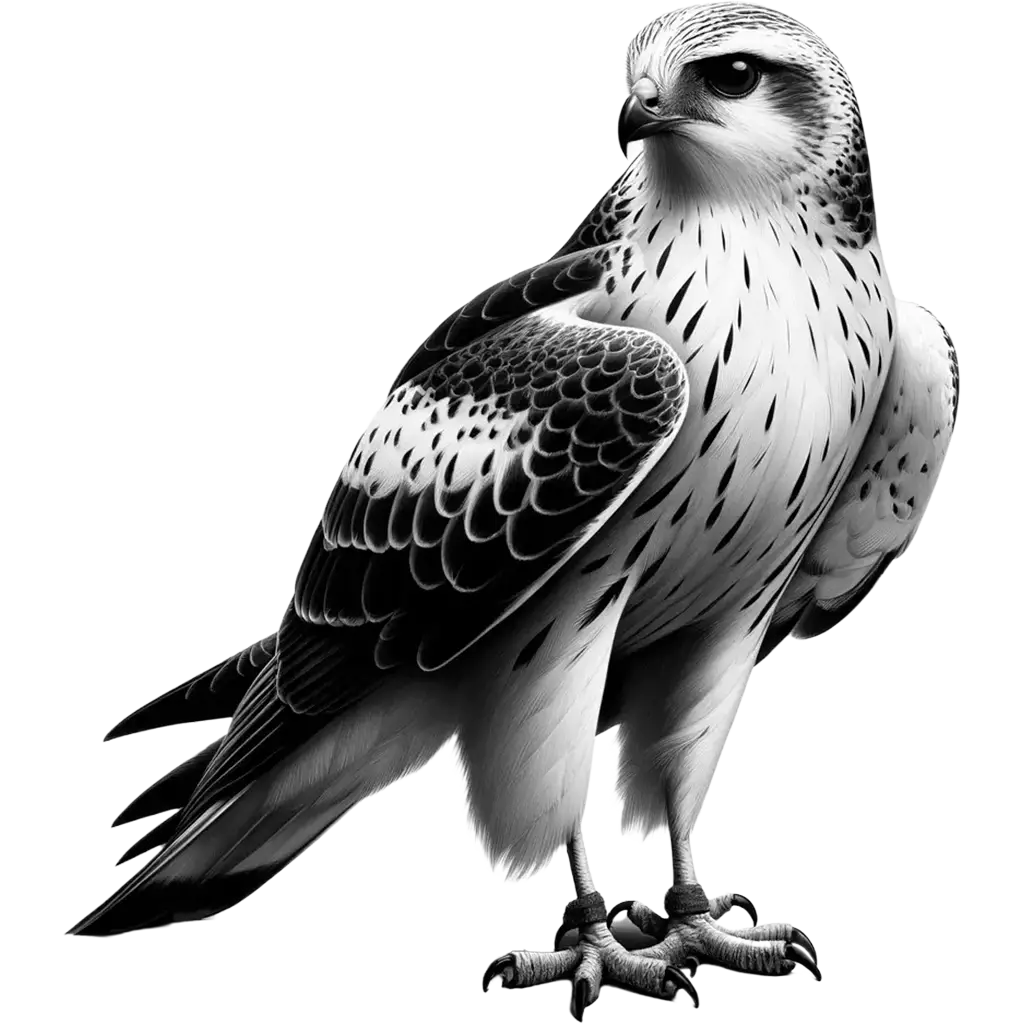
The Long-Winged Harrier, circus buffoni, is a distinctive bird of prey known for its slender frame, long wings, and tail which facilitate its prowess in flight. Males typically exhibit a striking gray and white plumage with black wingtips, while females and juveniles are primarily brown with streaked underparts. This species
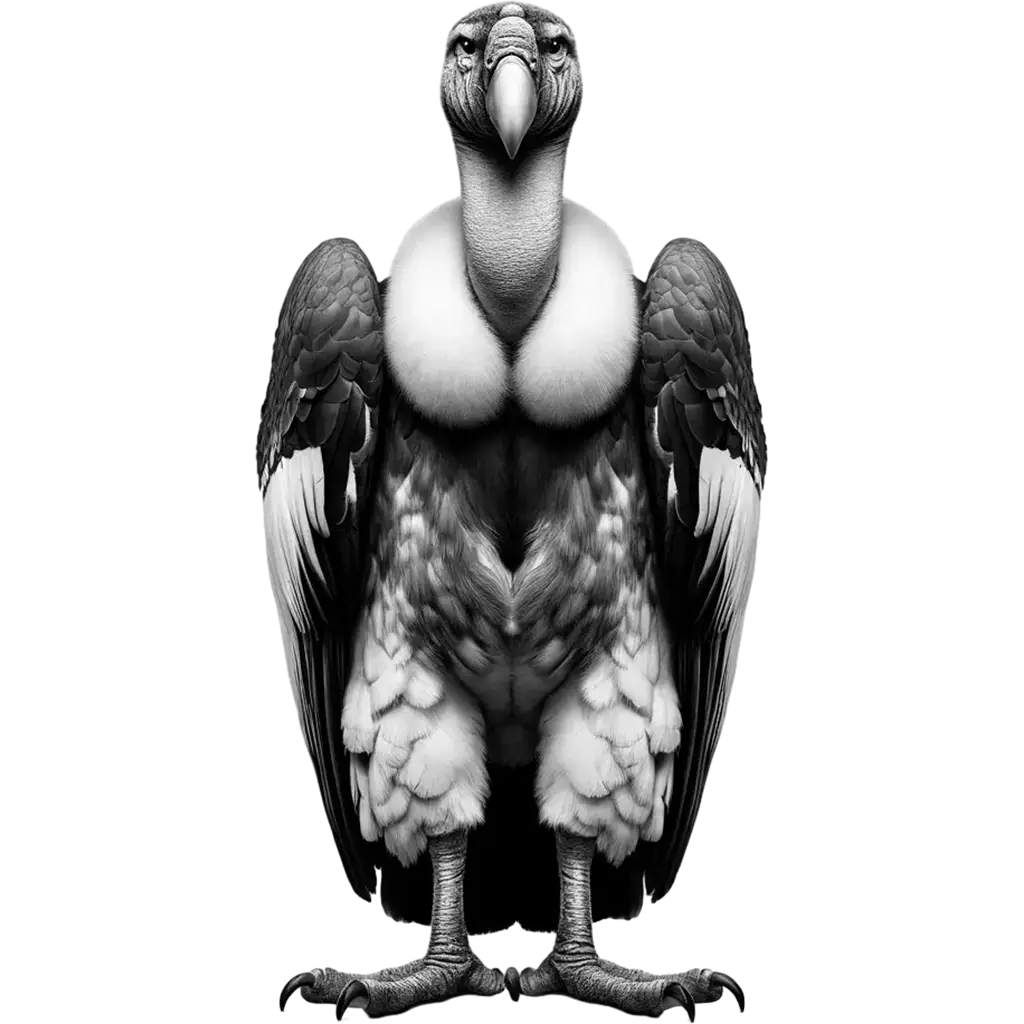
The Andean Condor, vultur gryphus, is a majestic bird of prey that reigns over the skies of South America. It is one of the largest flying birds in the world, with a wingspan that can exceed 3 meters, allowing it to glide effortlessly on thermal air currents. The adult male