

Agapornis Lilianae
Lilian's Lovebird
Woodland and savannah areas, especially near water sources
The Lilian's Lovebird, agapornis lilianae, also known as the Nyasa Lovebird, is a small, vibrant parrot native to the woodlands and savannas of southeastern Africa. Measuring about 13 to 14 cm in length and weighing approximately 30 to 40 grams, this species is distinguished by its bright green plumage, with a red forehead, throat, and upper chest. The upper parts of their wings are green, but their under-wings showcase a vivid orange-red color, creating a striking contrast when in flight. Their short, blunt tail and strong beak are well-adapted to their arboreal lifestyle and diet.
| Population: | Listed as Near Threatened due to habitat loss and trapping |
| Generation Length: | 3-4 years |
| Average Weight: | Approximately 40-50 grams |
| Average Length: | 13-15 cm |
| Lifespan: | 10-15 years in the wild, potentially longer in captivity |
| Diet: | Mainly granivorous with some frugivorous and insectivorous tendencies |
| Conservation Status: | Near Threatened (NT) |
Lilian's Lovebirds are highly social birds, often found in small flocks when not breeding. They exhibit strong pair bonds, characterized by mutual preening and feeding, which is a hallmark of the lovebird genus. These birds are known for their playful nature, engaging in aerial acrobatics and vocalizing a variety of chirps and whistles. Their social structure plays a crucial role in their survival, offering protection against predators and assisting in the location of food and water sources.
The diet of Lilian's Lovebirds primarily consists of seeds, fruits, and berries, supplemented by the occasional insect. They are particularly fond of millet and sorghum, often causing them to raid agricultural crops, which can lead to conflicts with farmers. Their feeding habits highlight the importance of diverse, healthy ecosystems that provide a range of nutritional sources necessary for their well-being.
Breeding season for Lilian's Lovebirds is closely tied to the rainy season, ensuring an abundance of food for their offspring. Nests are typically constructed in tree cavities, where females lay 4 to 6 eggs. Both parents participate in nurturing the eggs and feeding the chicks, demonstrating a high level of parental care which is essential for the survival of the young.
The population of Lilian's Lovebird is considered Near Threatened due to habitat loss, trapping for the pet trade, and conflicts with agriculture. Conservation efforts are focused on habitat preservation, legal protection, and raising awareness about the ecological importance of these birds. Their presence is a key indicator of the health of their habitat, emphasizing the need for conservation measures to protect these vibrant birds and their environment.
Classifications
The Key Attributes
Features
- Movement:
Flying
- Territorial Behavior:
Social, often found in flocks
- Speed:
Not specifically quantified; agile fliers with rapid wing beats
- Diet:
Herbivore
- Physical Features:
- Small size with a predominantly green plumage
- Bright red forehead and a yellow collar
- Short, blunt tail and a strong beak for cracking seeds
- Rounded wings and strong flight muscles
- Primary Senses:
- Sight
- Hearing
Understanding Habitat and Range
Geography
- Habitat:
Woodland and savannah areas, especially near water sources
- Migration Patterns:
Partially migratory, depending on local water and food availability
- Geographical Range:
Native to parts of southeastern Africa, primarily Malawi, Mozambique, Zambia, and Zimbabwe
- Climate Preferences:
Prefers warm, dry climates but reliant on water sources
Navigating the Wilderness
In the wild
- Predators:
Birds of prey and larger mammals
- Prey:
Seeds and grains, fruits, and insects
- Feeding Behavior:
Feeds on seeds, grains, and occasionally fruits and insects
- Diet:
Mainly granivorous with some frugivorous and insectivorous tendencies
- Defensive Mechanisms:
- Flocking behavior to deter predators
- Camouflage in dense foliage
- Rapid flight to escape threats
- Preferred Food Sources:
- Areas with abundant seed and grain sources, such as grasslands and croplands
Insights Into Reproduction
Mating
- Mating System:
Monogamous
- Number of Offspring:
3-6 eggs per clutch
- Incubation Period:
About 22-24 days
- Parental Involvement:
- Both parents participate in nesting and feeding of the young
Youngsters Section
Lilian's Lovebird
Fun Fact
Lilian's Lovebird is a small, brightly colored parrot native to Africa, known for its lively temperament.
These lovebirds are predominantly green with a distinct peach-colored face. They are social creatures, often seen in flocks. They rely on water sources and can be found near rivers and lakes. They are monogamous and form strong pair bonds, making them popular pets.

Download word search puzzles
Word Search Puzzles


Check Out Other Birds
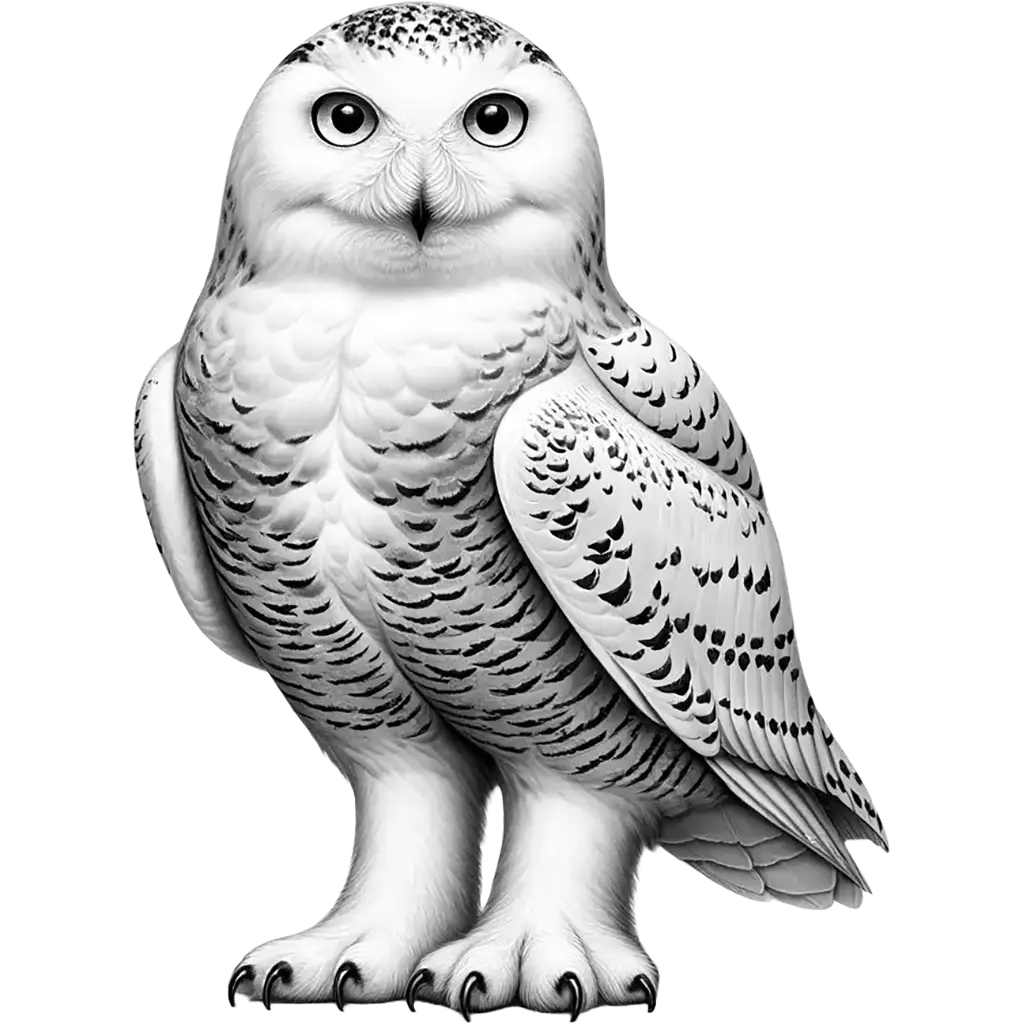
The Snowy Owl, bubo scandiacus, stands as a magnificent bird of prey, renowned for its striking white plumage that serves as camouflage in its Arctic tundra habitat. This large owl can reach up to 70 cm in length, with a wingspan of about 125 to 150 cm, making it one
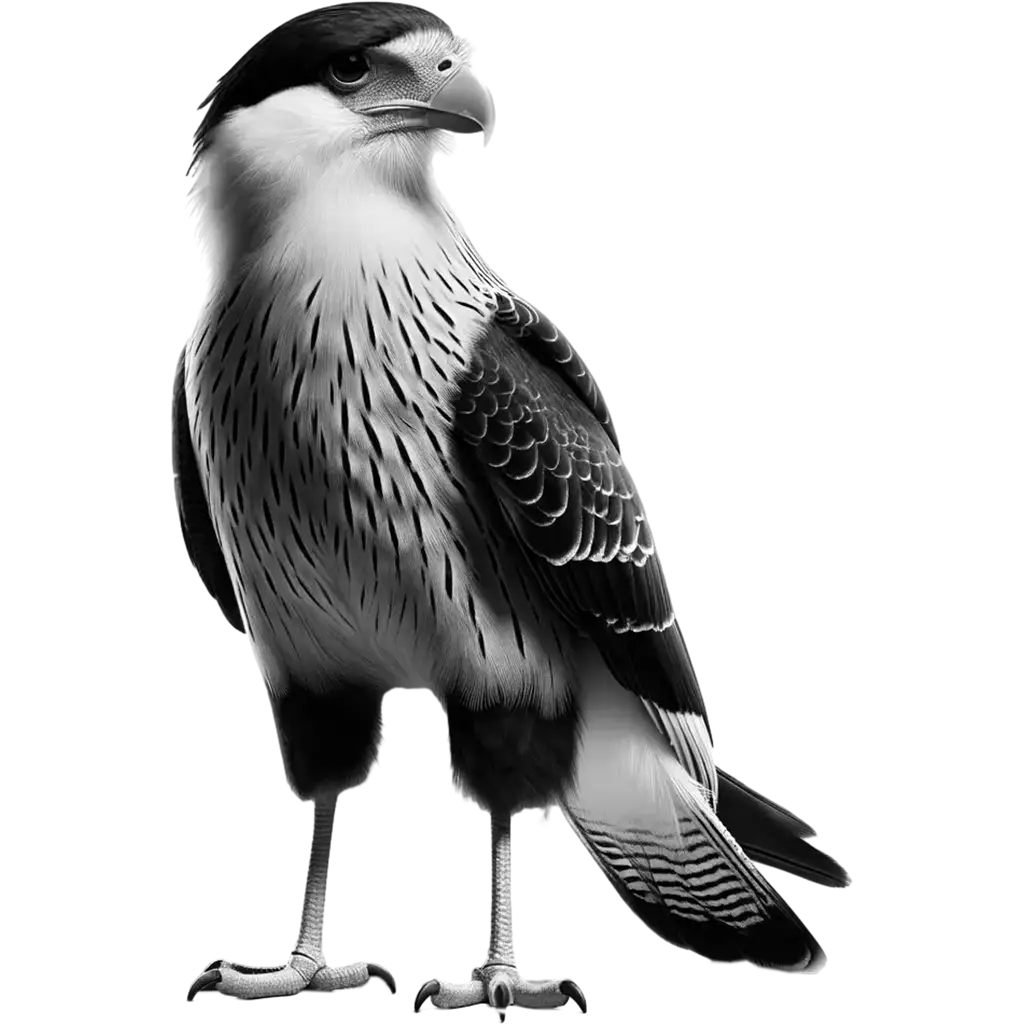
The Chimango Caracara, milvago chimango, is a small raptor found widely across southern South America, including Argentina, Chile, Uruguay, Paraguay, and the southern regions of Brazil. This bird of prey is part of the Falconidae family and is known for its adaptability to various environments, including open grasslands, agricultural areas,
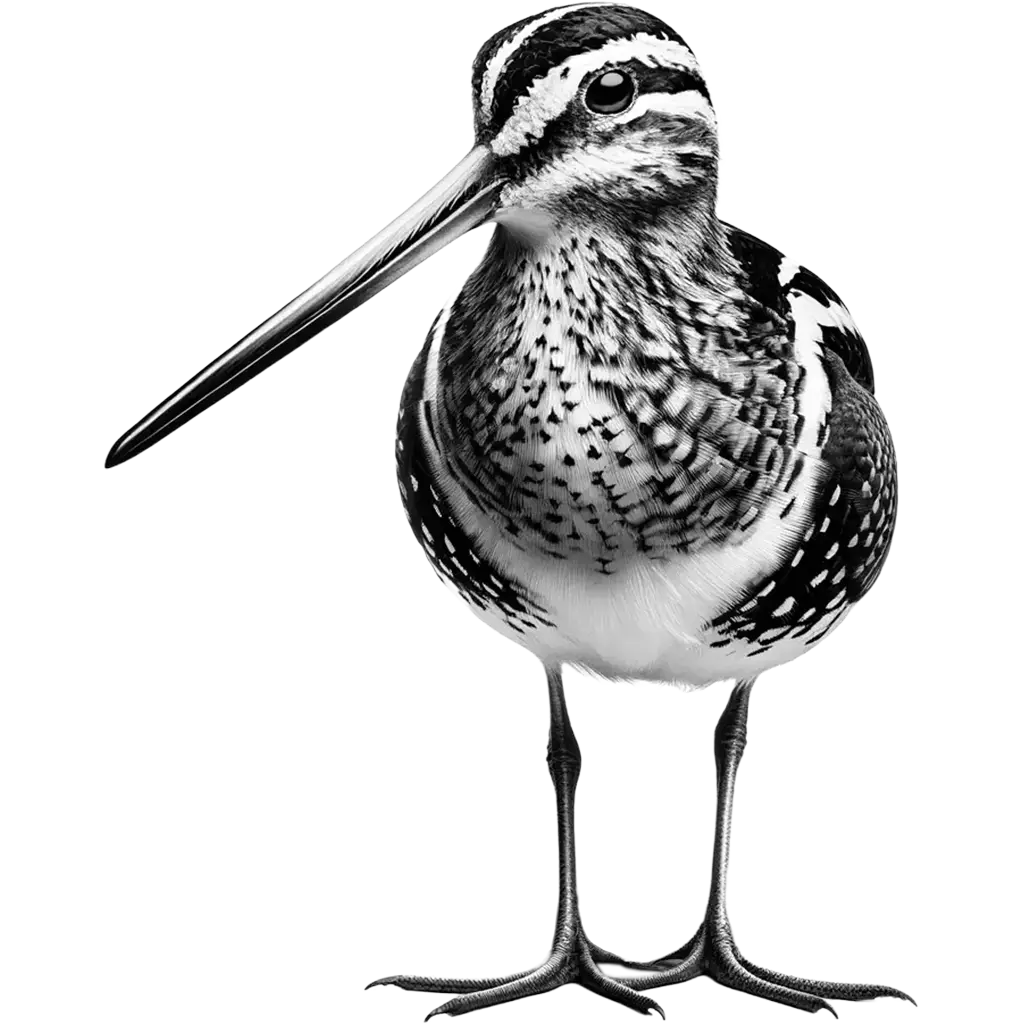
The Greater Painted-Snipe, rostratula benghalensis, is a distinctive and elusive bird species found in wetlands across Africa, Asia, and parts of Australasia. This species exhibits reverse sexual dimorphism, a unique trait where females are more brightly colored than males. Females have a striking appearance with a dark brown back, a
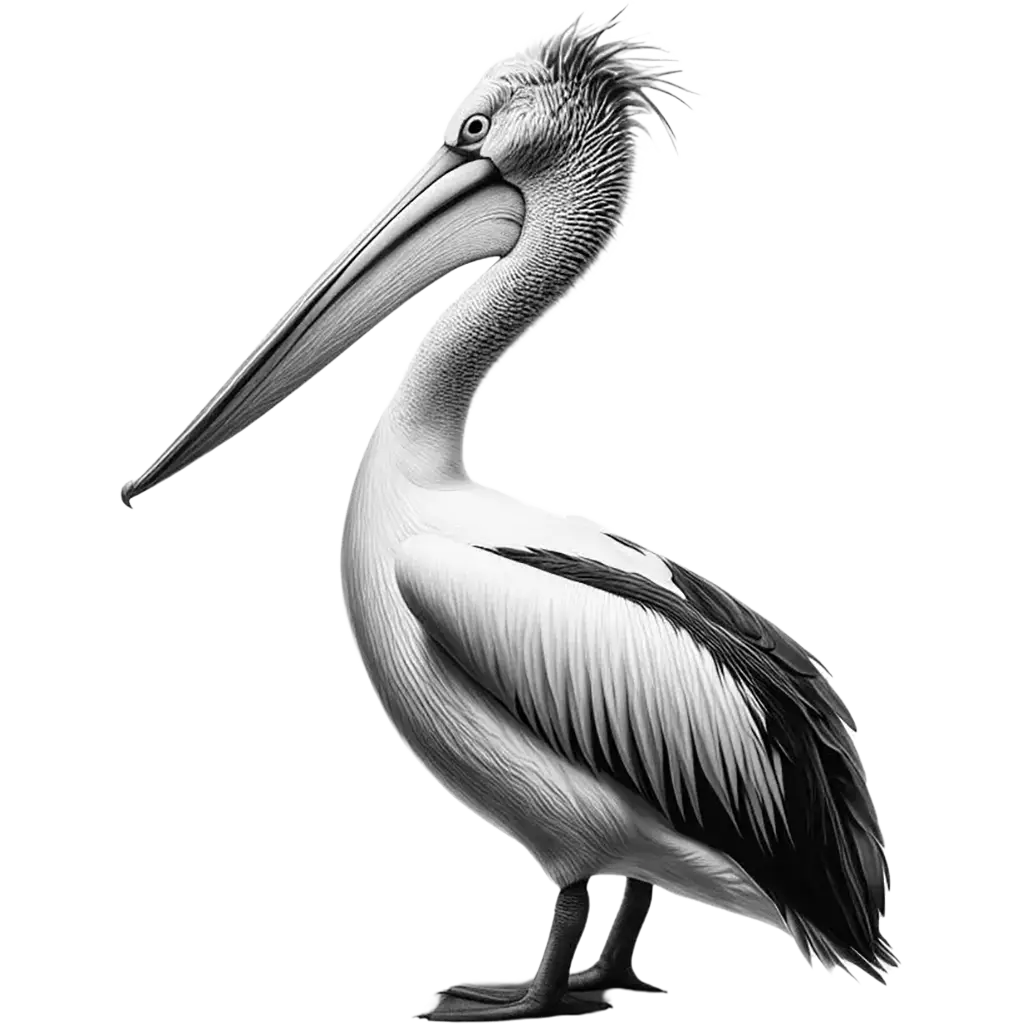
The Dalmatian Pelican, pelecanus crispus, stands as one of the largest freshwater bird species and is distinguished by its impressive wingspan, which can reach up to 3 meters, making it one of the world's largest flying birds. Adults typically weigh between 10 to 15 kilograms, with a notable feature being